
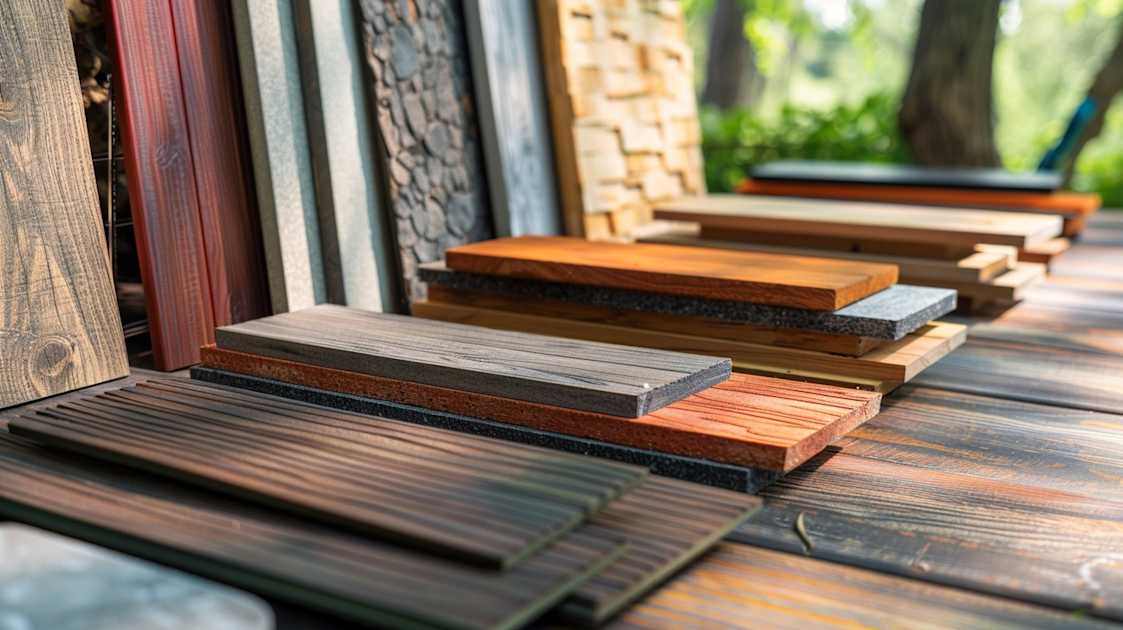


If you're planning to build a deck, it's essential to choose the right material. Your decision will significantly impact the durability, aesthetics, and maintenance of your deck. With a plethora of options available today, we will explore some of the best deck building materials, helping you make an informed choice.
Why Choose the Right Deck Material?
Choosing the appropriate decking material is crucial for several reasons. Firstly, the deck is an extension of your living space, and it should reflect your style and taste. More importantly, the deck material dictates the upkeep requirements and lifespan. A mindful choice will save you time and money in the long run.
Wood: The Traditional Choice
Various Types of Wood Decking
Wood decking has been a favorite for many homeowners due to its classic appearance and natural feel. Let’s delve deeper into some popular wood decking options:
Cedar: Known for its reddish hue and aesthetic appeal, cedar is a softwood that is naturally resistant to moisture, decay, and insect infestation. It has a beautiful grain and ages elegantly to a silvery finish.
Pressure-Treated Pine: Generally more affordable than other woods, pressure-treated pine has chemicals infused into it to resist rot and insect damage. It is widely available and can be stained to complement your taste.
Redwood: Redwood offers a rich, reddish-brown color and a natural resistance to insects and decay. It's lightweight, easy to work with, and very durable.
Maintenance of Wood Decking
While wood can be stunning and traditional, it does require consistent care to maintain its beauty and longevity. Regular sealing, staining, and cleaning are vital to keep your wood deck from warping, cracking, or rotting.
Composite Decking: A Modern Solution
Composition and Benefits
Composite decking is an increasingly popular choice among homeowners who want the appearance of wood without the associated maintenance. Composed of a blend of wood fibers and plastic, composite decking offers several advantages:
Durability: Composite decking is highly resistant to rot, mold, and insects.
Low Maintenance: It doesn’t require sanding, staining, or sealing, making it an excellent option for those who want minimal upkeep.
Aesthetic Variety: Available in an array of colors and finishes, composite decking can closely mimic the appearance of natural wood or opt for a completely customized look.
Considerations for Composite Decking
While composite decking is a fantastic option, it's crucial to ensure proper installation to prevent sagging and warping. Additionally, composite decking can be more expensive than some wood options initially, though its low maintenance cost can offset this over time.
PVC Decking: Waterproof and Resistant
Features of PVC Decking
PVC decking, made from 100% plastic, is another modern option advancing on the decking scene. It provides some notable benefits:
Waterproof: Unlike wood and composites, PVC decking is entirely waterproof, making it an excellent choice for poolside decks or humid climates.
Mildew and Stain Resistant: It doesn’t require sealing or staining and maintains its color for many years without fading.
Lightweight: Easier to handle and install, especially for elevated decks.
Aesthetic Limitations
While PVC decking offers impressive protection against the elements, it lacks the natural warmth of wood. However, advances in manufacturing have improved the texture and appearance, making them more attractive than before.
Aluminum Decking: The Durable Option
When you think longevity and durability, aluminum decking should come to mind. Here's why it might be the perfect choice for you:
Key Benefits
Rust and Weather Resistant: Aluminum decking is impervious to rusting and damage from weather.
Fireproof: This material is non-combustible, adding a safety layer to your outdoor living space.
Minimal Maintenance: Requires little upkeep beyond the occasional cleaning.
Drawbacks to Consider
Aluminum's industrial look may not appeal to all homeowners, and it’s one of the more expensive decking materials upfront.
Eco-Friendly Decking Options
Sustainability has become a key consideration for many when choosing decking materials. Here's how you can tread lightly on the planet:
Bamboo Decking
Bamboo is a highly sustainable material due to its rapid growth cycle. It offers a natural wood look with a slightly exotic flair. It's strong, durable, and an excellent option for eco-conscious homeowners.
Recycled Composite Decking
Some composite decking options use recycled materials, contributing to waste reduction and offering an eco-friendly choice without sacrificing performance.
Choosing the Right Deck Material
So, how do you decide which material is the best fit for your deck? Consider the following checklist:
- Budget: Determine how much you're willing to invest initially and in maintenance over time.
- Climate: Think about the environmental conditions in your area and choose a material that can withstand those conditions.
- Aesthetic Preferences: Consider the overall look and feel you want for your space.
- Maintenance Commitment: Be realistic about how much time you’re willing to spend on upkeep.
Best Deck Building Materials: FAQ
What are the most popular materials for building decks?
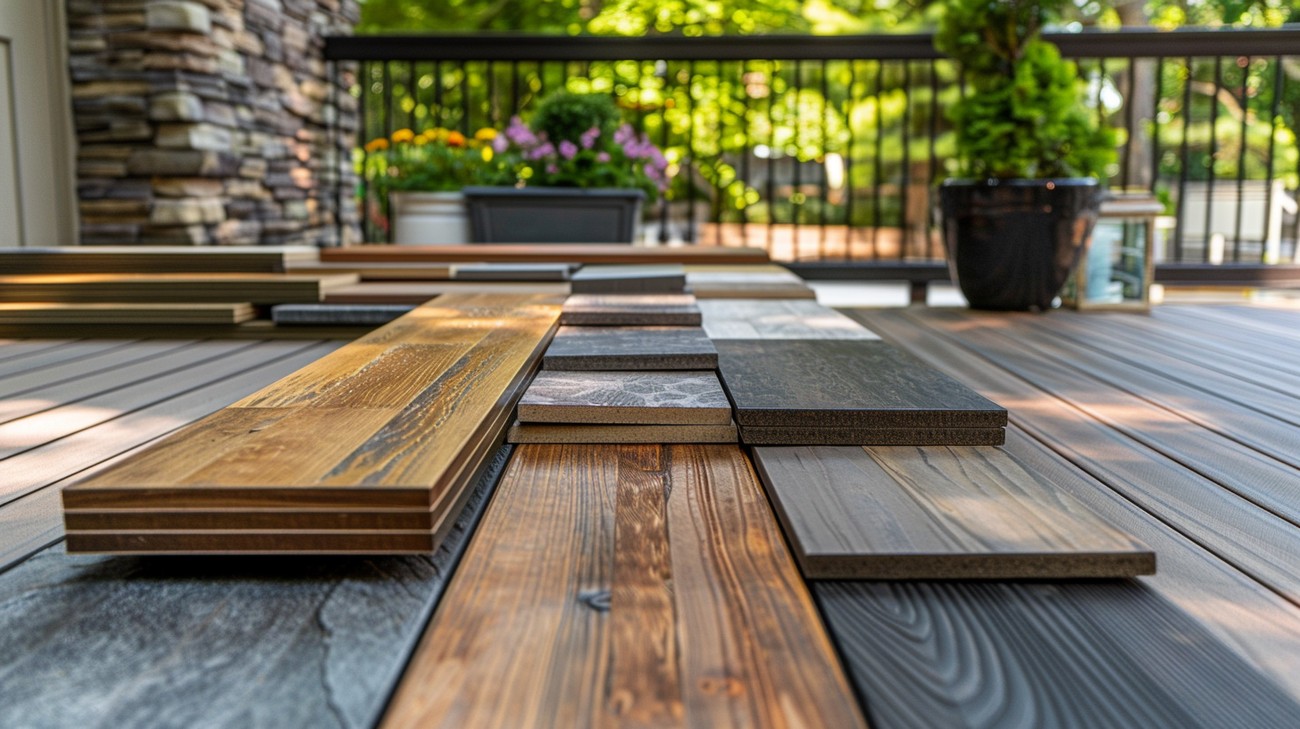
When it comes to deck building materials, several options stand out due to their popularity and functionality. The most commonly used materials include wood, composite, and PVC. Traditional wood decking, such as cedar, redwood, or pressure-treated lumber, has a natural beauty and is easily customizable. Composite decking, made from a mix of plastic and wood fibers, is low-maintenance and resistant to rot and insects. PVC decking is completely synthetic, offering great water resistance and longevity. Each of these options has unique attributes that appeal to a variety of homeowners.
How does weather affect the choice of deck materials?
Weather plays a crucial role in selecting the best deck building materials. In areas with high humidity or frequent rainfall, materials like composite and PVC are ideal as they resist mold, mildew, and rot. For regions with extreme temperatures, it's important to choose materials that won't warp or crack, like pressure-treated wood with proper sealing, or modern composites that are designed to withstand such conditions. By considering your local climate, you can ensure your deck remains durable and attractive for years.
Why choose hardwood over softwood for decking?
Hardwoods are often preferred for decking because of their durability and natural resistance to decay and insects. Mahogany, ipe, and teak are popular hardwood options, boasting a rich, attractive appearance and a long lifespan even in harsh weather. While hardwoods are typically more expensive than softwoods, they offer a dense, strong material that requires less frequent replacement. However, maintenance such as oiling and sealing is necessary to preserve their beauty. If you desire a lavish, long-lasting deck, hardwood could be the right choice.
Can composite decking really look like wood?
Yes, modern composite decking has come a long way in terms of aesthetics. Many composite deck materials are designed with a rich, wood-like appearance, complete with natural textures and grain patterns that mimic real wood. Brands offer a wide range of color variations and styles to suit different tastes and design objectives. Technological advancements in manufacturing have made it possible for composite materials to closely resemble the beloved qualities of natural wood, while also providing enhanced durability and minimal maintenance requirements.
Is using recycled materials for deck building a good choice?
Using recycled materials like composite decking is not only a good choice, but an environmentally friendly one. Composite boards often incorporate recycled plastics and reclaimed wood fibers, reducing the demand for virgin materials and minimizing waste. Beyond being eco-friendly, these recycled materials for decks contribute to a more sustainable construction practice, offering long lifespan, resistance to environmental elements, and low upkeep. Opting for recycled deck building materials aligns with eco-conscious living and supports green building initiatives.
How do installation costs vary between deck materials?
Installation costs for different deck materials can vary significantly due to factors like material price, labor, and site preparation. Typically, pressure-treated wood tends to be the most economical in terms of initial material cost, although it might require more labor if cuts and treatments are necessary. Composite and PVC materials generally have higher upfront costs, but installation can be straightforward and faster, as these materials often come with precise installation systems and require less preparation. Incorporating the best deck building materials for your budget involves considering both the short-term and long-term financial impacts.
What maintenance routines are required for different deck materials?
The best deck building materials will dictate your maintenance routine. Wooden decks need regular stain or sealant applications every 1-3 years, along with inspection for signs of rot or insect damage. With composite decking, the maintenance is much less intensive; regular cleaning with soapy water or a specialized cleaner keeps it looking great. PVC decks are similarly low-maintenance, requiring occasional washing to remove dirt and debris. It's important to adhere to manufacturer guidelines for each material to ensure longevity and preserve your deck's appearance.
Can I paint or stain composite decking?
Most composite decking can be painted or stained, although it might not be necessary given its design to retain color for its lifetime. If you choose to change the look with paint or stain, make sure to select products that are compatible with composite materials, as ordinary products may not adhere well. This option allows you to update or refresh your deck without replacing it entirely, providing flexibility in aesthetics as styles evolve or personal tastes change.
Are there environmental considerations when choosing deck materials?
Environmental consciousness is an important factor when choosing deck building materials. Sustainable options like FSC-certified wood ensure that the material comes from responsibly managed forests. Using composite materials made of recycled content reduces the environmental footprint and conserves resources. Selecting these eco-friendly materials not only makes your deck more sustainable but also supports global environmental health. Paying attention to certifications and material sourcing can guide you toward more environmentally responsible choices.
Comparison
Key Features Comparison
| Material | Key Features |
|---|---|
| Wood | Natural beauty, variety in species, classic feel |
| Composite | Low-maintenance, durable, eco-friendly options |
| PVC | Weather-resistant, 100% plastic, lightweight |
| Aluminum | Robust, fire-resistant, modern aesthetic |
Performance Differences
Wood
- Durability: Requires regular maintenance such as staining and sealing to maintain its appearance and longevity.
- Weather Resistance: Prone to rot, warping, and insect infestation if not properly treated.
- Aesthetics: Offers a classic, natural look that suits traditional designs.
Composite
- Durability: Highly durable against weather and everyday wear, typically needing less maintenance than wood.
- Weather Resistance: Resistant to rot and insects but can be prone to fading or staining in some lower-quality options.
- Aesthetics: Mimics wood with various colors and textures available but can look artificial up close.
PVC
- Durability: Extremely durable and requires minimal maintenance.
- Weather Resistance: Highly resistant to weather, rot, insects, and mildew.
- Aesthetics: Sleeker and more uniform appearance; can lack the warmth of natural wood.
Aluminum
- Durability: Almost impervious to weather and physical damage, with high longevity.
- Weather Resistance: Does not rust, warp, or crack, making it excellent for harsh climates.
- Aesthetics: Modern and industrial look, which might not suit all tastes.
Price Comparison
| Material | Price Range (per square foot) |
|---|---|
| Wood | $15 - $25 |
| Composite | $25 - $45 |
| PVC | $30 - $50 |
| Aluminum | $35 - $55 |
Best Use Cases for Each
Wood
- Best For: Traditionalists or those seeking a natural look and feel.
- Ideal Situations: Areas with mild weather and homeowners prepared for regular maintenance.
Composite
- Best For: Homeowners wanting the look of wood without the high maintenance.
- Ideal Situations: Suburban homes or areas with varying weather conditions.
PVC
- Best For: Those living in areas with extreme weather conditions.
- Ideal Situations: Coastal regions or places with high humidity.
Aluminum
- Best For: Modern homeowners looking for durability over design.
- Ideal Situations: Urban areas or regions prone to wildfires.
Bottom Line Recommendation
Choosing the right deck material primarily depends on your personal preference, climate conditions, and budget. If you lean towards an eco-friendly, low-maintenance option that resembles wood, composite decking is a compelling choice. PVC is the ultimate solution for those prioritizing all-weather resilience and low upkeep. Wood remains a strong contender for its unmatched natural beauty if the traditional feel and periodic maintenance fit your lifestyle. For the highest durability and a modern touch, aluminum can't be beat.
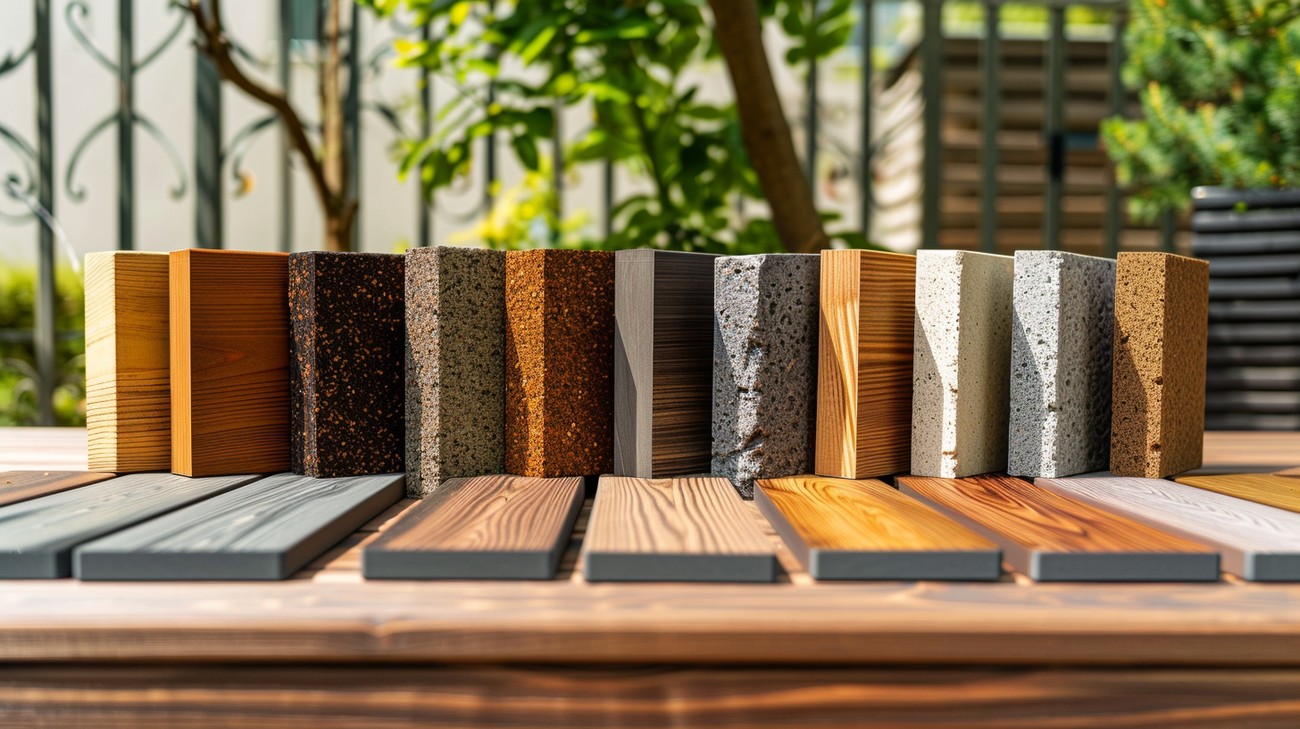
Buyer's Guide: What to Look For
Key Factors to Consider
When embarking on a deck-building project, it's essential to choose the right materials that cater to your needs and preferences. Here are some key factors to consider:
Durability: Your deck will be exposed to the elements year-round. Therefore, durability is crucial. Look for materials that can withstand weather variations, resist rot, and require minimal maintenance. Popular options include composite decking, pressure-treated wood, and hardwoods like teak and ipe.
Cost: Deck building can be a significant investment. Balance your budget with the quality of materials. While composite materials might be pricier upfront, they can save money in the long run due to lower maintenance costs.
Aesthetics: Choose materials that complement your home’s style. Natural wood offers a classic look, while composites come in various colors and textures. Think about how the deck’s appearance will mesh with your landscaping and outdoor décor.
Maintenance: Consider the time and effort you're willing to dedicate to maintaining your deck. Natural wood may require annual staining or painting, whereas composites typically need only occasional cleaning.
Environmental Impact: If sustainability is a priority, consider eco-friendly materials such as recycled composites or sustainably-harvested wood. These options help preserve natural resources and reduce waste.
Must-Have vs Nice-to-Have Features
Must-Have Features:
- Slip Resistance: Safety first! Ensure your deck material provides a non-slip surface, especially in wet conditions.
- UV Protection: Materials with UV inhibitors help maintain color and prevent weather-related deterioration.
- Structural Integrity: Your deck should be structurally sound to guarantee safety. Ensure materials have the necessary strength and stability.
Nice-to-Have Features:
- Fade Resistance: Some materials offer higher resistance to fading, keeping your deck vibrant longer.
- Bug Resistance: Particularly in areas with pesky insects, bug-resistant materials can save you headaches in pest control.
- Customization Options: If you want unique patterns or colors, some composites allow more creative freedom in deck design.
Red Flags to Avoid
Steer clear of these pitfalls when selecting deck materials:
- Untreated Wood: Unlike treated wood, untreated options are prone to quick deterioration.
- Materials with Poor Reviews: Check customer reviews for any history of complaints, especially about durability and support from manufacturers.
- Mismatched Fasteners: Ensure that the recommended fasteners and hardware are compatible with the materials you choose to avoid structural compromises.
Questions to Ask Before Buying
Before committing to a deck material, ask yourself and your supplier these vital questions:
- What is the warranty? Understand the warranty’s terms, coverage, and what voids it.
- How does it perform in my climate? Certain materials fare better in different climates. Verify that your choice handles local weather conditions.
- Is professional installation required, or can I do it myself? Some materials are DIY-friendly, while others may require professional installation for best results.
- What setbacks have users experienced over longer periods? Knowing the potential long-term issues can help you make an informed choice.
How to Spot Quality
Recognizing premium quality in deck-building materials is essential for a successful project:
- Feel and Look: High-quality wood or composites shouldn’t feel light or flimsy. Check for consistency in color and finish.
- Label Verification: Look for certifications like the Forest Stewardship Council (FSC) for wood or environmental labels for composites.
- Manufacturer's Reputation: Established brands typically have a track record of producing reliable materials.
- Material Thickness and Density: Heavier and denser materials often indicate robustness and durability.
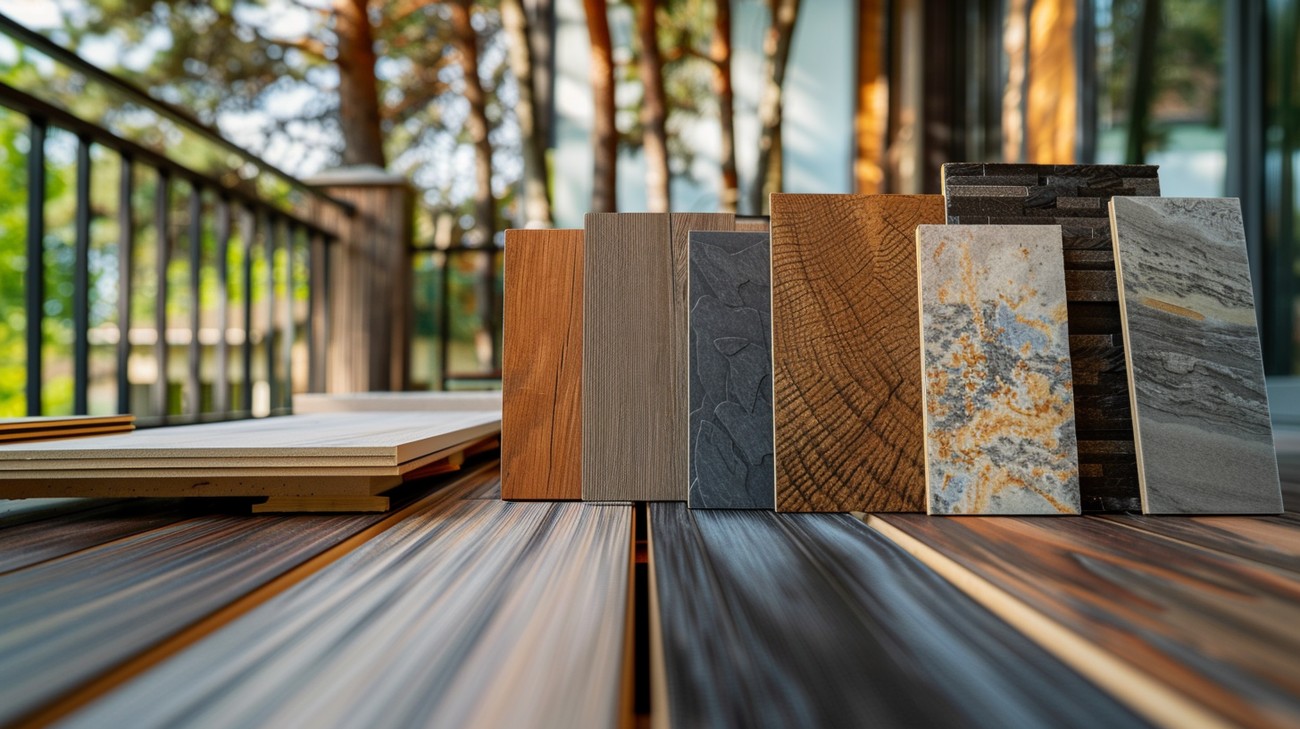
- Samples and Testing: When possible, test samples to see how they hold up against simulated wear and tear.
Final Thoughts
Choosing the right materials for your deck is essential to ensure durability, style, and comfort for years to come. From classic wood options to innovative composites, there are many choices that can cater to your specific needs and preferences. We believe that understanding the best deck building materials is the first step toward creating an outdoor space you'll love.
If you’re in Columbus, OH, and ready to transform your backyard, we’re here to help. Reach out to us at US Quality Construction of Columbus to schedule a consultation or request a free estimate. Our team is dedicated to guiding you through the options and ensuring your deck reflects your vision and lifestyle. Let's bring your outdoor dreams to life!
Tags: wood, composite, PVC,