

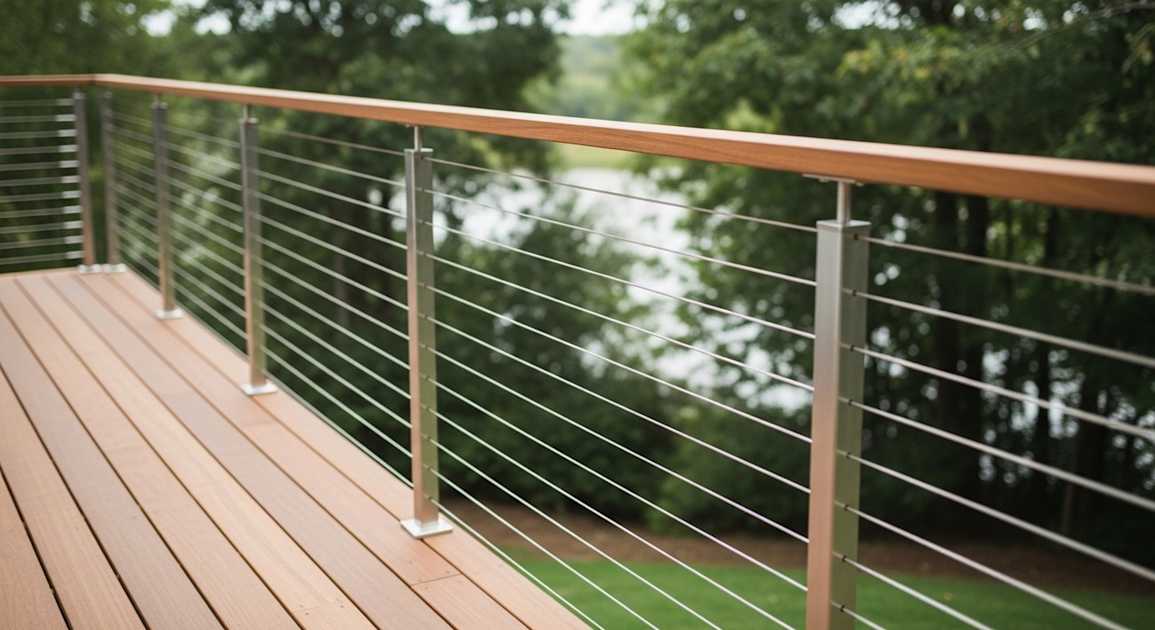


Cable deck railing has taken the outdoor living world by storm, offering a sleek and modern alternative to traditional railing systems. Its blend of aesthetic appeal, minimal maintenance needs, and unobstructed views has made it a go-to choice for homeowners and designers alike. In this comprehensive guide, we delve deep into everything you need to know about cable deck railing, from the basics to installation, maintenance, and design inspiration.
Understanding Cable Deck Railing
Cable deck railing, as the name implies, is a guardrail system that incorporates cables as the primary guard between posts. These cables replace traditional balusters, and when installed correctly, provide a safe and sturdy barrier around your deck. They are primarily made from stainless steel, renowned for its strength and resistance to the elements.
Why Choose Cable Deck Railing?
Cable deck railing offers several advantages that make it an attractive option:
Unobstructed Views
The slim profile of the cables means your view isn't blocked like it is with bulkier wooden balusters or glass panels.Modern Aesthetic
The sleek lines of the cable system complement modern architectural styles, adding a touch of sophistication.Durability
Stainless steel cables are highly resistant to weathering, ensuring a long-lasting guardrail system.Minimal Maintenance
Unlike wood that requires regular sealing and painting, cable deck systems need minimal upkeep, reducing long-term maintenance costs.
Key Components of Cable Deck Railing
Understanding the components is crucial when considering cable railing for your deck:
- Posts: These are the anchors of your system and can be made from wood, metal, or composite materials.
- Cables: Typically made from stainless steel, these provide strength and ensure safety.
- Cable Fittings: Essential for keeping the cables taut and in place.
- Handrails: Offer support and complete the look, often made from wood, metal, or composite.
Design and Installation Tips
Designing and installing cable decking railing requires careful planning. Here are some tips to guide you:
Plan Your Design
Start by considering the overall look you want to achieve:
- Style: Match the railing with your existing deck and home style. For modern aesthetics, opt for metal posts. For a more natural look, go for wooden posts.
- Color: Stainless steel is versatile but pairing it with color-treated wooden or painted metal posts can enhance visual appeal.
Gather the Right Tools
Before you begin, ensure you have the necessary tools:
- Cable cutter: For precise cutting of cables.
- Drill: Essential for installing posts and components.
- Tensioning tool: Ensure cables are tight and secure.
Installation Process
Post Installation
- Ensure posts are strongly anchored; this is vital for the system's overall strength and stability.
Cable Installation
- Begin attaching cables from one end of the system, making sure they're fed through the posts accurately.
Tension and Secure
- After threading, use a tensioning tool to secure the cables tightly at both ends.
Attach Handrails
- Securely mount handrails, ensuring they sit comfortably on the posts.
Safety Precautions
Ensure safety while installing or using cable railings:
- Compliance: Follow local building codes that specify safety standards for railing systems.
- Spacing: Cables should be tightly spaced to prevent small children or pets from slipping through.
Maintenance and Care
Cable deck railings are known for their ease of maintenance:
- Regular Inspections: Periodically check for signs of wear or slack in cables.
- Cleaning: Use mild detergent and a soft cloth to clean the posts and cables, avoiding harsh chemicals.
Inspiring Cable Deck Railing Designs
Successful design blends form and function. Here are some ideas to inspire your next deck project:
Sleek Minimalism
Opt for all-metal structures with stainless steel posts and cables for a minimalist look that exudes modern charm.
Nature-Integrative
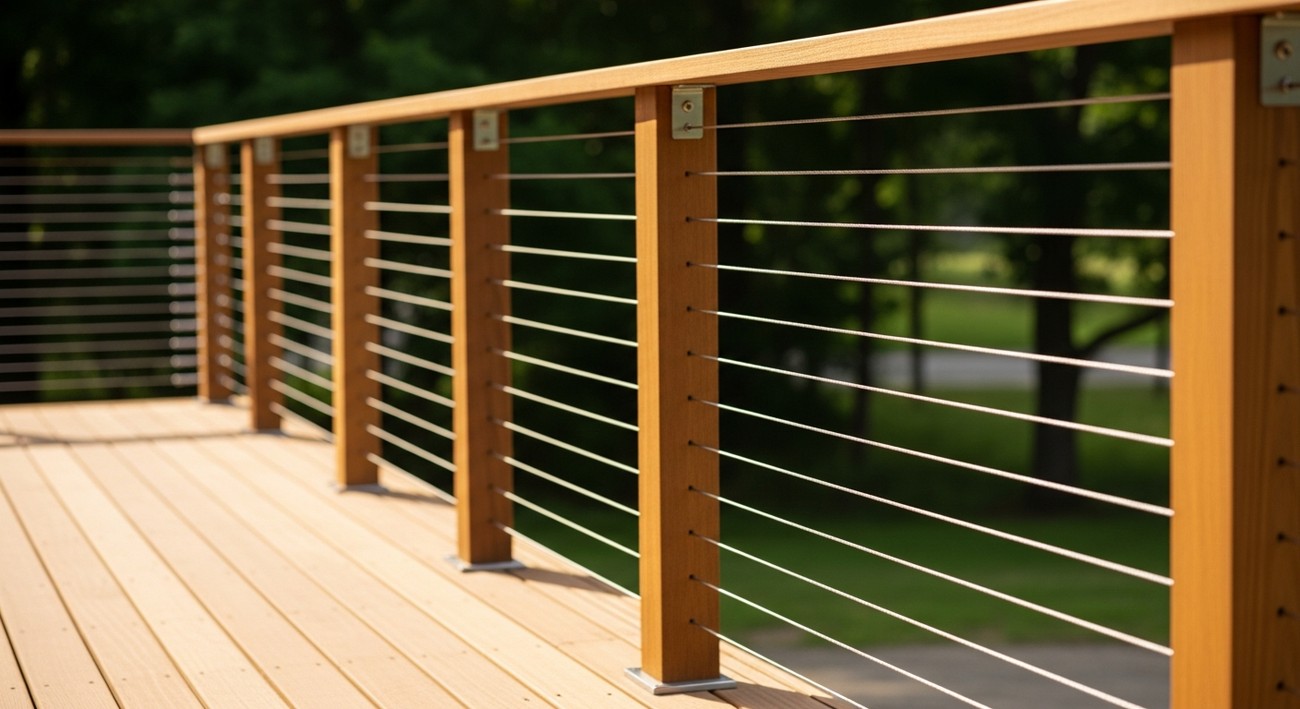
Incorporate natural materials like wood for posts and handrails combined with steel cables, merging the home seamlessly with its natural surroundings.
Industrial Chic
Utilize dark metal finishes for the posts and handrails in combination with steel cables, creating a rugged yet stylish industrial appearance.
Elegant Simplicity
Choose a simple color palette with white or grey posts and cables, allowing the natural beauty around your deck to become the focal point.
Cable Deck Railing FAQ
How is cable deck railing installed?
Installing cable deck railing involves a few key steps. First, you need to start with planning the layout and determining the placement of your posts. After setting up the posts, the cables are run horizontally through them. It requires careful attention to tension to ensure the cables remain taut and meet safety standards. The installation can vary slightly depending on whether you choose to use wood, metal, or composite materials for your posts. It's strongly recommended to follow specific instructions from the cable railing manufacturer and check local building codes prior to installation.
Are cable deck railings safe?
Cable deck railings are considered safe when properly installed. The cables must be tensioned correctly to prevent sagging, which ensures safety for both children and adults. It's important to comply with building code requirements that specify maximum spacing between cables to prevent climbing or slipping through. Additionally, using high-quality materials and regularly maintaining the system further enhances its safety. Always consult with a professional if you're unsure about the tensioning or installation to ensure your cable railing system is secure.
Can cable deck railings corrode or rust?
While cable deck railings can potentially corrode or rust, this is largely dependent on the materials used in the system. Most modern cable railing installations utilize stainless steel cables, which are highly resistant to rust and corrosion when exposed to the elements. However, it's crucial to consider the environmental conditions, such as proximity to saltwater, which can accelerate corrosion. Regular maintenance, including cleaning and inspection, helps in prolonging the lifespan of your cable railing and maintaining its appearance.
How do I maintain cable deck railings?
Maintenance for cable deck railings is relatively straightforward but essential for longevity and safety. Regular inspection is necessary to ensure the cables remain taut and free of damage or fraying. Cleaning the cables and posts with soap and water will prevent dirt build-up, which can lead to unsightly marks or even corrosion over time, especially in coastal or humid environments. Additionally, you may need to adjust the tension of the cables periodically to keep the railing effective and looking pristine. Always follow the manufacturer's guidelines for specific maintenance tasks.
What materials are commonly used with cable railings?
Cable deck railings often incorporate a few key materials to balance durability and aesthetics. Stainless steel is a popular choice for the cables themselves, providing strength and resistance to rust. Posts are often made from materials like wood, aluminum, or stainless steel, depending on the desired style and maintenance level. Wood offers a classic aesthetic but requires more upkeep, while metals like aluminum and stainless steel provide a sleek, modern look with lower maintenance needs. Composite materials, which combine beauty and durability, are also being utilized more frequently in cable deck railing systems.
Is it difficult to DIY a cable deck railing system?
DIY installation of a cable deck railing system can be challenging for beginners but manageable for those with adequate DIY experience and tools. The process involves precise measurement, cutting, and installation to ensure the railings are both functional and safe. It is crucial to thoroughly understand the installation guidelines provided by the manufacturer and to be meticulous in following safety protocols. For those unsure about tackling the project, consulting with or hiring a professional can safeguard against common pitfalls like improper tensioning or structural issues.
Does cable deck railing obstruct the view?
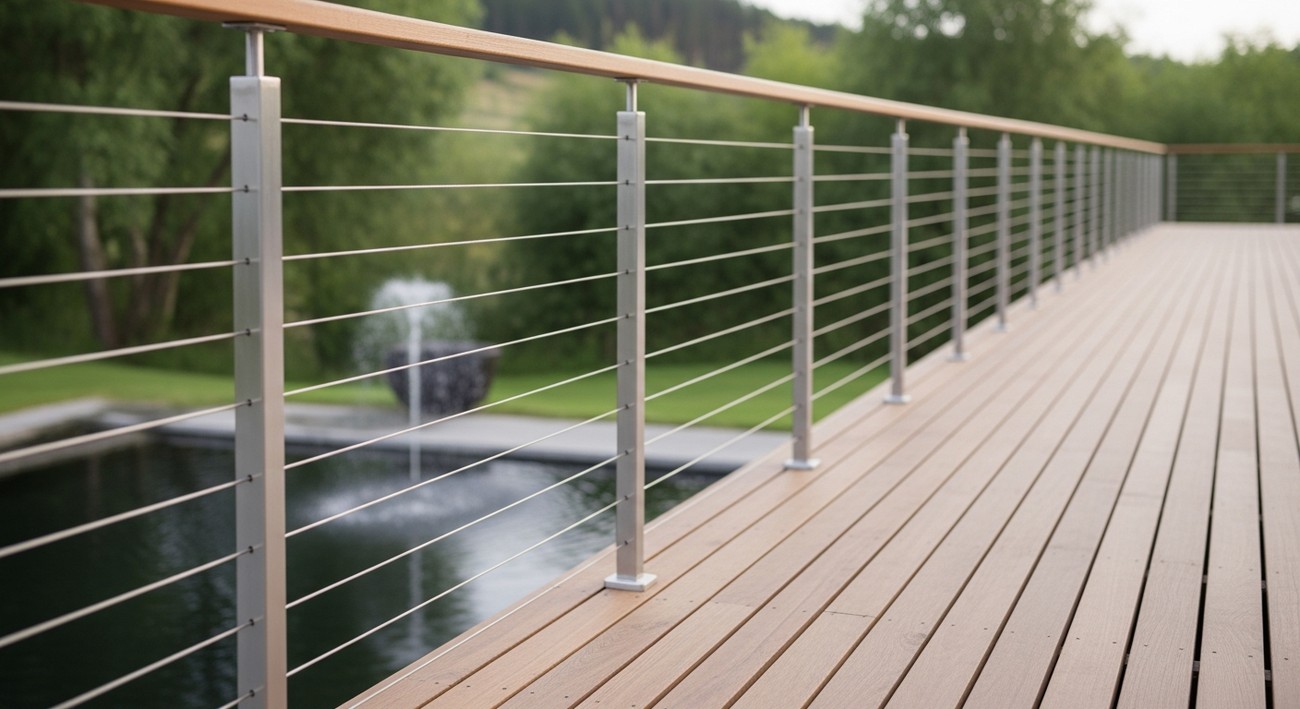
One of the benefits of cable deck railing systems is that they offer minimal obstruction to views, making them a favored choice for decks overlooking scenic landscapes or water views. The thin cables blend into the background, providing a nearly invisible barrier that doesn't detract from the panorama. This aesthetic feature makes cable railings popular in residential and commercial settings where preserving a stunning view is a priority. However, spacing and height regulations must be followed to ensure that visibility does not compromise safety standards.
Are cable deck railings environmentally friendly?
Cable deck railings can be considered environmentally friendly when choosing sustainable materials and responsible manufacturers. Many components, like stainless steel and aluminum, are recyclable, contributing to a reduced environmental footprint. Additionally, opting for certified sustainable wood for posts or composite materials further supports eco-friendly practices. By investing in durable materials that require less frequent replacement, cable deck railings can contribute to a longer lifecycle and less environmental impact over time.
Can cable deck railings be used indoors?
Yes, cable deck railings can be effectively used indoors and are especially popular in modern interior designs. They offer a sleek, industrial look that complements contemporary architectural styles while providing functional barriers for staircases or mezzanine floors. Indoor cable railings follow the same principles of installation and safety as outdoor versions, but typically require less maintenance due to reduced exposure to harsh elements. Their versatility makes them a desirable option for many residential and commercial projects looking to unify indoor and outdoor aesthetics.
The Good and the Not-So-Great of Cable Deck Railing
Pros
Unobstructed Views
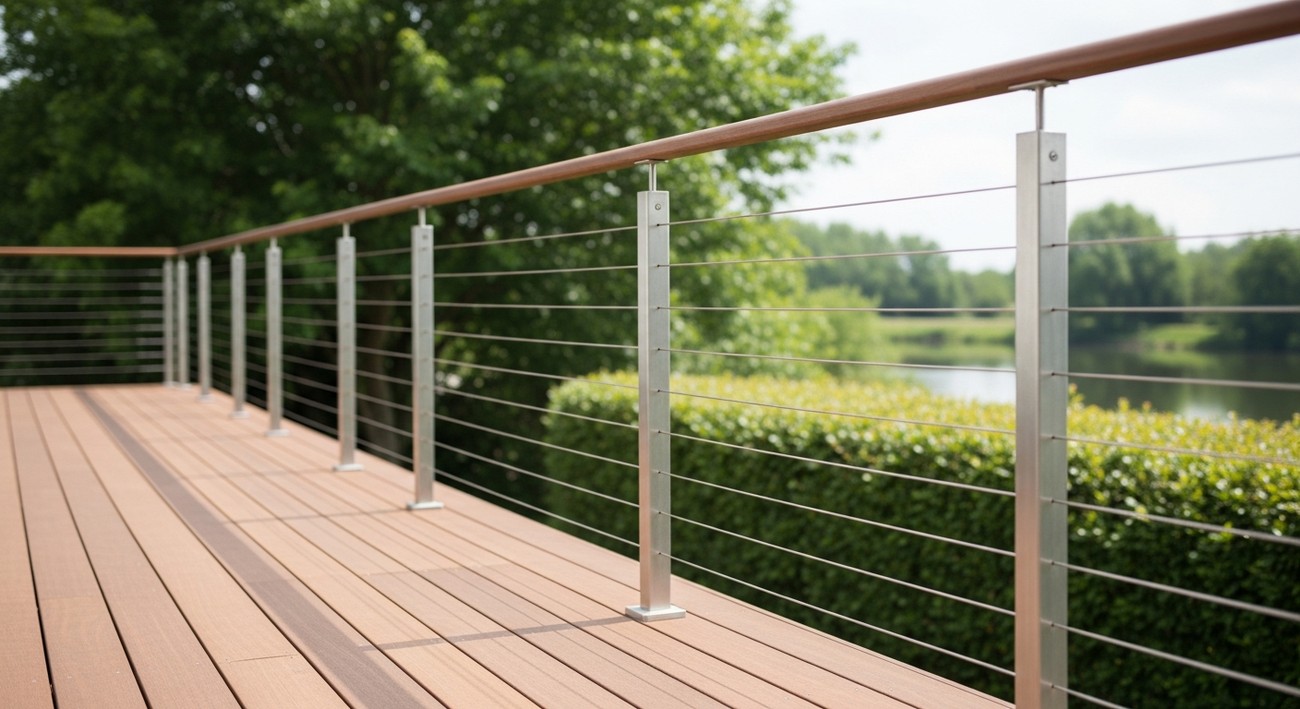
One of the standout features of cable deck railing is its ability to keep those fabulous outdoor views wide open and uninterrupted. If you’re lucky enough to have a backyard with a view, cable railing allows you to gaze at it all without a bunch of spindles in the way. The thin, horizontal cables practically disappear into the horizon.
Modern Aesthetic
If you’re looking to give your deck a modern facelift, cable railings scream contemporary style. They offer a sleek, minimalistic vibe that's hard to achieve with traditional railing systems. It's a chic choice if you're leaning into a more modern or industrial look for your outdoor space.
Durable and Low Maintenance
Cable railings, usually made of stainless steel, are incredibly durable. They can withstand harsh weather conditions and don’t warp or rot like wood. This kind of resilience means you're spending less time on maintenance. No more annual sanding or staining; just a quick wipe-down, and you're good to go.
Versatile in Design
You can customize cable deck railings to fit various architectural styles, whether you're anchoring them to wood, composite, or metal posts. They offer a flexibility that lets you mix and match materials for a unique look that can complement your home’s design.
Safety and Code Compliance
Despite their minimalist appearance, cable railings are strong and can be installed to meet safety codes. They’re tensioned to ensure they remain safe and secure, which means you can enjoy those unobstructed views without compromising safety.
Cons
Cost Considerations
While cable railing scores high on aesthetics, it can be more expensive than traditional railings. If you're working on a tight budget, the initial cost might be a deterrent. The combination of stainless steel and the specialized hardware required for tensioning can add up quickly.
Installation Complexity
Unlike some DIY-friendly railing systems, installing cable railings requires precision and accuracy. If you’re not handy or familiar with tensioning cables, it’s usually best to bring in a professional. This can increase overall costs and may be a hurdle if you're hoping for a DIY project.
Potential for Sagging
Over time, cable railings can lose tension and start to sag. This isn't just an aesthetic issue; it can also become a safety concern if not regularly checked and adjusted. Keeping those cables tight might require occasional maintenance and tweaking.
Limited Privacy
If you're hoping for a little more seclusion from your deck railing, cable railing might not be the best choice. The open design ensures everyone can see into your space as easily as you can see out, which might not be ideal if privacy is a priority.
Risk of Code Compliance Issues
Though cable railings can be safe, ensuring they meet local building codes can sometimes be tricky. If the cables aren't properly tensioned or the posts are spaced too far apart, they might not meet safety standards. It’s crucial to double-check local regulations before installation.
Final Thoughts
When considering cable deck railing, it’s essential to balance aesthetics and safety, ensuring your outdoor space remains stylish while also providing the necessary support and stability. This modern railing option not only offers an unobstructed view but also enhances the overall look of your deck, making it a fantastic choice for homeowners looking for both function and flair, especially in Columbus, OH where we often enjoy those beautiful outdoor gatherings.
If you're ready to elevate your deck with cable deck railing, we at US Quality Construction of Columbus are here to help. Our team of experts is dedicated to guiding you through the process, ensuring you choose the perfect design for your home. Feel free to reach out to us to schedule a consultation or request a free estimate; we’re excited to work with you on creating a beautiful and safe outdoor space!
Tags: outdoor, home improvement, aluminum,