

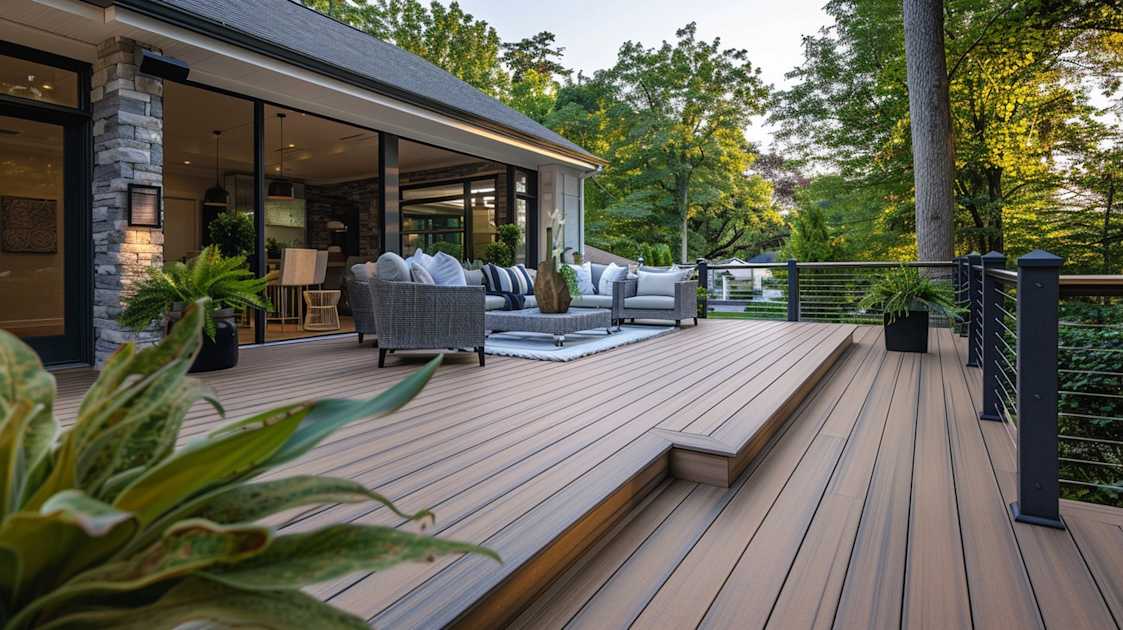


Composite deck boards have revolutionized the world of outdoor living. Unlike traditional wooden boards, composite decking offers a blend of style, durability, and sustainability. In this guide, we’ll explore everything you need to know about composite deck boards, from their benefits to installation tips and maintenance.
What Are Composite Deck Boards?
Composite deck boards are a man-made product consisting of a mixture of wood fibers, plastic, and bonding agents. They are engineered to replicate the appearance of natural wood while providing added strength and resistance to the elements.
Advantages of Composite Deck Boards
Composite deck boards are quickly becoming the material of choice for outdoor decking due to their myriad benefits. Here’s why:
Durability and Longevity
Composite boards are impervious to the issues that typically plague traditional wood: rot, insect damage, and warping. They are designed to withstand the elements, ensuring a long life span and retaining their beauty year after year.
Low Maintenance Requirement
One of the top selling points of composite deck boards is their low maintenance. Unlike wood, which needs frequent sanding, staining, or sealing, composite boards require minimal upkeep. Just a simple wash with soap and water is enough to keep them looking their best.
Eco-Friendly Choice
Many composite deck boards are made using recycled materials, making them an environmentally friendly choice for conscious consumers. By opting for composite materials, you’re contributing to reducing the need for virgin wood and supporting recycling efforts.
Aesthetic Appeal
Available in a wide range of colors and finishes, composite deck boards can complement any home style. Whether you prefer the look of traditional wood grain or a more modern aesthetic, there’s a composite option to match your vision.
Key Considerations When Choosing Composite Deck Boards
While composite deck boards offer numerous benefits, there are several factors to consider ensuring you choose the right product for your needs.
Budget
Composite decking can vary significantly in price based on brand, style, and quality. Establishing a budget before you start shopping will help you narrow down your options.
Style and Appearance
Pay attention to the color, texture, and overall appearance of the boards. Consider how they will complement your home’s exterior and the overall aesthetic you want to achieve in your outdoor space.
Climate Suitability
If you live in an area with extreme weather conditions, make sure to choose a composite board designed to withstand those circumstances. Some boards are better suited for hot climates, while others offer enhanced resistance to cold and moisture.
Installation Method
Some composite deck boards are designed for DIY installation, while others may require professional assistance. Evaluate your comfort level and experience with home improvement projects before making a decision.
Composite Deck Boards Installation Tips
Installing composite decking requires some planning and attention to detail. Here are some tips to ensure success:
Prepare the Site:
- Clear any debris or obstacles from the area.
- Ensure the ground is level and stable.
Follow Manufacturer Guidelines:
- Always refer to the manufacturer's instructions when laying your composite deck boards.
- Pay attention to board spacing recommendations and fastener requirements.
Use the Right Tools:
- Having the proper tools, such as a power drill, saw, and tape measure, can facilitate a smoother installation process.
Account for Expansion:
- Composite boards may expand and contract with temperature changes. Allow for this in your installation plans to avoid crowding.
Inspect Your Work:
- Regularly check that each board is level and properly aligned as you go.
Maintenance Tips for Composite Deck Boards
Maintaining the beauty and functionality of your composite deck is straightforward. Here is a list of handy maintenance tips to follow:
Routine Cleaning:
- Wash your deck with soap and water or a specialized composite deck cleaner at least twice a year.
Address Stains Promptly:
- For areas with spills, mud, or mildew, scrub gently with warm, soapy water.
Check Fasteners:
- Periodically inspect and tighten any loose fasteners to maintain stability.
Prevent Mold Growth:
- Ensure there’s good drainage and air circulation to minimize the risk of mold and mildew buildup.
Innovative Features of Composite Deck Boards
Modern composite deck boards come with a host of features that enhance their usability and aesthetic appeal.
Slip Resistance
Many composite boards are designed with slip-resistant surfaces, making them safer for wet conditions. This is a significant advantage for homes with pools or those living in rainy climates.
Hidden Fastening Systems
Composite boards often feature hidden fastening systems. These systems not only simplify installation but also create a seamless look without visible screws or nails.
Integrated Lighting Options
Some manufacturers offer boards with integrated LED lighting, which can enhance the ambiance and safety of your deck, allowing for extended use into the evening hours.
Frequently Asked Questions About Composite Deck Boards
How are composite deck boards made?
Composite deck boards are manufactured using a blend of wood fibers and plastic. The exact composition can vary by brand, but typically these boards consist of recycled materials, which make them an environmentally friendly option. During manufacturing, the wood fibers and plastic are mixed, heated, and then extruded into board shapes. This process creates durable, consistent boards that mimic the appearance of wood while offering enhanced resistance to rot, insects, and moisture.
Are composite deck boards environmentally friendly?
Yes, composite decking is generally considered environmentally friendly, primarily because it utilizes recycled materials. Many composite deck boards are made from recycled plastic and reclaimed wood fibers, which reduces waste and the demand for virgin materials. Additionally, the long lifespan and low maintenance requirements of composite deck boards reduce the need for frequent replacement, further minimizing environmental impact over time.
Can composite deck boards be cut and shaped like wood?
Absolutely! Composite deck boards can be cut and shaped using standard woodworking tools. Circular saws, jigsaws, and drills work well with composite materials. It's important to use carbide-tipped blades to ensure clean cuts and prevent excessive wear on the tools. When cutting composite boards, make sure to follow the manufacturer's guidelines for best results, as different brands may have specific recommendations.
Do composite deck boards fade over time?
Composite deck boards are resistant to fading, but exposure to harsh sunlight, weather conditions, and prolonged UV exposure can lead to some color change over time. Most high-quality composite boards include UV-resistant coatings to minimize fading. Manufacturers often offer warranties that cover significant color changes, so it's important to check the specifics of the brand you choose. Regular cleaning can also help maintain the color vibrancy of composite decking.
Are composite deck boards slippery when wet?
Composite deck boards are designed to provide a slip-resistant surface, making them a good choice for areas prone to rain or near water features. However, the level of slip resistance can vary depending on the texture and finish of the boards. Some manufacturers offer specially textured boards or grooved finishes to enhance traction. It's always a good idea to check the slip resistance of specific products if this is a primary concern.
Can composite deck boards withstand heavy furniture and grills?
Composite deck boards are very durable and built to withstand the weight of heavy furniture and grills. They are made to be stronger and more resilient than traditional wooden deck boards. To prevent potential damage, it's advisable to use protective padding under the legs of furniture and grill feet. This can prevent scratches or indentations, ensuring your deck remains in great condition over time.
Are composite deck boards resistant to mold and mildew?
Composite deck boards are engineered to resist mold and mildew growth, a common issue with traditional wood decking. The combination of synthetic materials and a protective surface coating helps prevent moisture absorption, which is the primary cause of mold and mildew. Nevertheless, routine cleaning is recommended to remove debris and dirt that might support fungal growth on the surface of the boards. Following manufacturer instructions for maintenance will help maximize resistance.
Can composite deck boards be painted or stained?
It's not recommended to paint or stain composite deck boards because they are designed to retain color without additional finishing. Painting or staining voids most warranties and can lead to peeling or chipping. If you wish to change the color, some brands offer specific products or replacement programs to swap out boards. For any necessary color touch-ups, use the manufacturer's recommended approaches.
Do composite deck boards expand and contract?
Yes, like all materials, composite deck boards do expand and contract slightly with temperature changes. This expansion and contraction are much less pronounced than in traditional wood decking, but allowances must be made for this in the installation. Properly spacing the boards and following the manufacturer's installation guidelines will ensure that these natural changes do not impact the structural integrity of the deck.
Pros & Cons of Composite Deck Boards
Pros
Durability
Composite deck boards are renowned for their durability. They resist splintering, warping, and cracking, making them a long-lasting choice for your outdoor space. Unlike traditional wood, composites are engineered to withstand harsh weather conditions, whether it’s scorching sun, heavy rains, or snowstorms. You won't need to worry about your deck deteriorating quickly, which can save a ton of time and money on repairs.
Low Maintenance
One of the greatest advantages of composite decking is its low maintenance requirements. It doesn’t demand frequent painting, staining, or sealing. A simple soap-and-water cleaning routine is usually sufficient to keep it looking fresh and vibrant. This feature can be a game-changer if you're someone who enjoys spending time on your deck rather than maintaining it.
Aesthetically Pleasing
Composite decks are available in a wide variety of colors, textures, and styles that mimic the look and feel of natural wood. Whether you prefer a sleek modern design or a rustic wood-grain appearance, composites offer versatile options to match your aesthetic vision. Plus, they maintain their appearance over time, as they are engineered to resist fading.
Eco-Friendly
Environmentally conscious homeowners will appreciate that composite decking is often made from recycled materials, including plastic and wood fibers. Choosing composites can be a step towards sustainability, reducing the demand for new timber and reusing materials that might otherwise end up in landfills.
Insect Resistance
With composite decking, you won't have to worry about termite damage or other insect issues. These boards are designed to be pest-resistant, which can be a big relief if you live in an area where insects are a persistent problem.
Cons
Initial Cost
One of the significant downsides of composite decking is the initial cost. Composite materials can be more expensive upfront compared to traditional wood. This can be a barrier if you have a tight budget, but it’s important to weigh this against the long-term savings on maintenance and replacement.
Heat Retention
Composite decks tend to retain heat more than natural wood, which can make them uncomfortable to walk on barefoot during hot summer days. This is something to consider if your deck will see a lot of direct sunlight. You might end up with a space that’s less usable during peak heat.
Potential for Scratching and Staining
While composite decking is resistant to many forms of wear and tear, it can still be susceptible to scratching and staining. Moving heavy furniture or dropping sharp objects can leave marks, and oil-based substances might stain if not cleaned promptly.
Limited Customization
While there are many styles and colors available, customization can still be limited compared to natural wood, which you can paint or stain in any color you choose. If you’re someone who likes to frequently change up the look of your deck, composites might feel a bit restrictive.
Heavier Than Wood
Composite deck boards are heavier than traditional wood, which can make installation a bit more challenging. This might require you to hire a professional installer, adding to the overall cost. If you're a DIY enthusiast, this is something to keep in mind before starting your project.
Final Thoughts
When choosing the right materials for your outdoor space, composite deck boards stand out for their durability and low maintenance, making them an ideal option for homeowners looking to enhance their patios. Not only do they offer a wide range of colors and styles to fit your personal aesthetic, but they also resist fading and warping, ensuring your deck looks great year after year, even under the Columbus, OH weather.
If you're considering an upgrade or building a new deck, we’re here to help you explore the best choices for your home. At US Quality Construction of Columbus, we pride ourselves on delivering expert advice and quality craftsmanship. Feel free to reach out for a consultation or to request a free estimate—we're excited to help you create the perfect outdoor retreat!
Tags: outdoor living, home improvement, decking,