

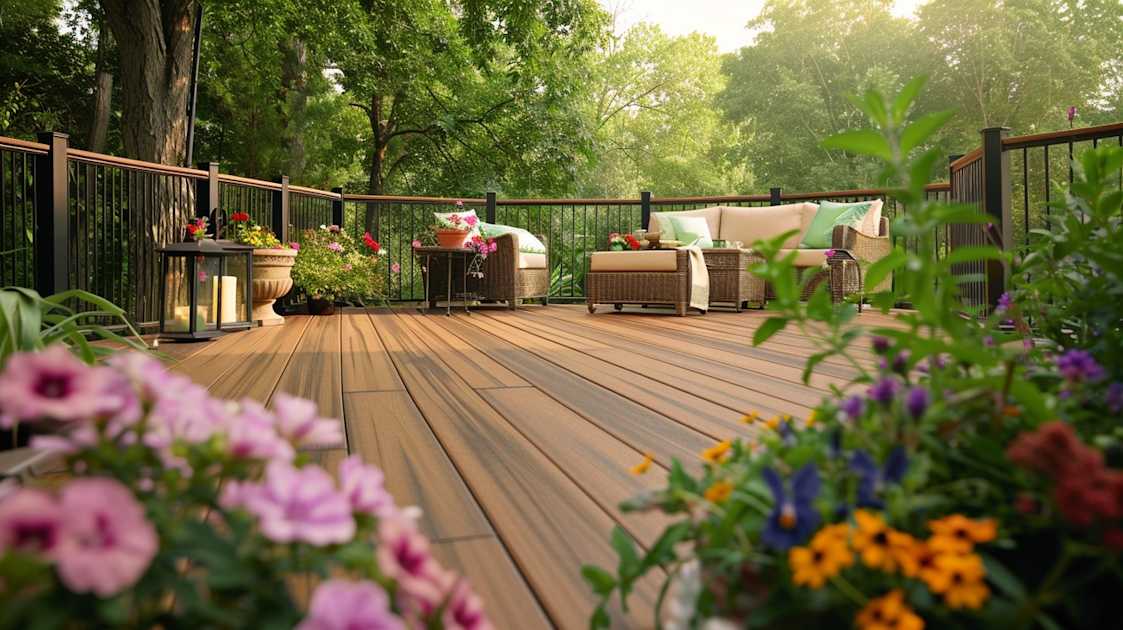


When it comes to enhancing your outdoor space, composite decks offer a versatile and durable solution that can transform any backyard into a modern oasis. If you’re considering adding a deck to your home, you’ve likely heard about composite decking. This article unpacks why composite decks are a popular choice among homeowners, exploring their benefits, how they compare to other materials, and everything you need to know to make an informed decision.
What Are Composite Decks?
Composite decks are crafted from a blend of wood fibers and plastic materials, creating a deck board that mimics the appearance of wood without its inherent weaknesses. Producers often recycle materials to create composites, which not only cuts down on waste but also provides an eco-friendly building material.
The Benefits of Composite Decking
Composite decking is renowned for its robust benefits and is preferred over traditional wood and PVC materials due to several compelling reasons:
- Low Maintenance: Unlike wooden decks that require regular staining and sealing, composite decks need minimal maintenance. They resist fading, staining, and mold, making them a practical choice for busy homeowners.
- Durability: Composite decks are engineered to withstand heavy foot traffic, harsh weather conditions, and they won’t crack, warp, or splinter over time.
- Aesthetic Appeal: With a vast array of colors and textures, composite decking perfectly mimics authentic wood while allowing for versatile design options that can match any home aesthetic.
How Composite Decking Compares
Composite vs. Wood
While traditional wood decks offer natural beauty, they come with a high maintenance price. Wood decks are susceptible to rot, insects, and require annual sealing or staining. Composite decking, in contrast, offers the natural look of wood without these drawbacks. Over time, the lower maintenance needs of composite decks make them a more cost-effective solution.
Composite vs. PVC
Both composite and PVC decks are considered low maintenance. However, PVC decking, made entirely from plastic, can become uncomfortably hot underfoot and may not provide the same natural look offered by composite decking. Composite decks achieve a perfect balance, offering the benefits of synthetic materials with the natural look of wood.
Installation Tips for Composite Decks
Installing a composite deck can be a satisfying DIY project or an undertaking for professionals. Here are a few essential tips if you plan to embark on this project:
- Prepare the Area: Ensure the site is clean and leveled. Removing any obstacles such as rocks or old debris can simplify the installation process.
- Follow Manufacturer Instructions: Each brand may have slightly different installation guidelines. Reading the manual thoroughly will help in avoiding common mistakes.
- Use Proper Fasteners: Using screws or fasteners designed for composite materials will provide a proper hold and prevent damage to the boards.
Design Ideas
Composite decks can be customized to fit any architectural style or personal preference. Here are some popular design ideas to inspire your project:
- Multi-Level Decks: Create distinct areas for dining, lounging, and cooking by building a multi-level composite deck.
- Incorporate Lighting: Use integrated lighting to enhance safety and add ambiance during evening gatherings.
- Mix and Match Colors: Use contrasting deck boards for a unique design that highlights specific areas of the deck.
Maintenance Tips for Longevity
While composite decks are low maintenance, a little care can go a long way to ensure their longevity:
- Regular Cleaning: Use a soft bristle brush and mild soap to keep your deck looking pristine.
- Inspect and Repair: Regularly inspect your deck for loose boards or connections and address any issues promptly.
- Prevent Damage: Use furniture pads and avoid dragging heavy objects across the deck surface to prevent scratches and gouges.
Environmental Impact
Opting for composite decking also means making an environmentally conscious choice. Many composite decking manufacturers use recycled materials in their production process. This not only reduces waste but also minimizes the need for deforestation. By choosing composite decks, you’re investing in a product that supports sustainability while still providing exceptional performance.
Choosing the Right Composite Decking
Choosing the right composite decking involves understanding your needs and the options available:
- Budget Considerations: While initial costs can be higher compared to wood, the overall cost savings from maintenance and longevity make composite decks a wise investment.
- Brand Options: Research different brands that offer warranties, quality assurances, and a wide selection of designs.
- Intended Use: Consider how you plan to use the deck. Family-oriented outdoor spaces may benefit from specific features such as slip resistance.
Frequently Asked Questions About Composite Decks
How do composite decks compare to traditional wood decks in terms of maintenance?
Composite decks typically require much less maintenance than traditional wood decks. While wood decks need regular sealing, staining, and the inevitable replacement of rotting boards, composite decking is designed to be low-maintenance. It does not require painting or staining and is resistant to rot and insect damage. An occasional cleaning with soap and water is usually all that's needed to keep a composite deck looking its best.
Can composite decking be recycled?
Yes, composite decking can often be recycled. Many composite deck boards are made with a blend of recycled wood fibers and plastics and some manufacturers offer take-back programs for used decking materials. It's important to check with the manufacturer or local recycling facilities to ensure proper recycling practices for composite materials.
How does the cost of composite decking compare to wood?
Composite decking typically has a higher upfront cost than traditional wood decking. However, the long-term costs are often lower due to its durability and minimal maintenance requirements. Over time, the savings on maintenance, staining, and repairs can make composite decks a cost-effective choice. Additionally, composite decks often come with longer warranties that further add to their value.
Are composite decks safe for children and pets?
Composite decks are generally safe for children and pets. They are splinter-free, reducing the risk of injuries commonly associated with wooden decks. Furthermore, composite decking is designed to be slip-resistant, adding a layer of safety, particularly in wet conditions. Always check specific product features as slip resistance can vary between manufacturers.
Do composite decks get hot in the sun?
Composite decks can become warm in direct sunlight, similar to other outdoor materials. However, technological advancements in composite decking have resulted in options that retain less heat than older versions. Some manufacturers offer products specifically designed to stay cooler in the sun, using lighter colors and advanced materials. It's advisable to test samples in sunlight to determine which product best suits your needs.
How does weather affect composite decking?
Composite decking handles weather well due to its moisture-resistant properties. Unlike wood, it does not warp, crack, or splinter from exposure to moisture or temperature changes. It remains stable in both hot and cold climates. However, extreme weather conditions, such as intense sun exposure or heavy snow, can affect its aesthetic, possibly leading to slight fading over time. Regular cleaning helps maintain its appearance in varying weather conditions.
Can I paint or stain composite decks?
Generally, composite decking is designed to maintain its color for a long period and does not require painting or staining. If you desire a change in color, painting or staining is possible with some specific preparations and using compatible products. Always check the composite deck manufacturer's advice or warranty guidelines before proceeding, as alteration might affect the warranty coverage.
Is composite decking environmentally friendly?
Composite decking is considered more environmentally friendly than traditional wood decking because it often uses recycled materials. Many composite decks are made from a blend of recycled wood fibers and plastic, which reduces waste and the need for new raw materials. Some brands focus significantly on eco-friendly practices throughout the manufacturing process, making them a sustainable choice for decking projects.
How do I clean and maintain a composite deck?
Maintaining a composite deck is straightforward. A simple routine cleaning with soap and water or a mild detergent is helpful in removing dirt and debris. For stubborn stains, a special composite deck cleaner might be recommended, depending on the product specifications. Regular sweeping prevents accumulation of dirt and leaves, which can cause staining over time. Avoid using harsh chemicals or power washers, as they can damage the deck surface.
Can composite decks be damaged by mold or mildew?
Composite decks are resistant to mold and mildew due to their non-porous surface. However, without regular cleaning, dirt and organic material build-up on the surface can lead to mold growth. It is crucial to maintain routine cleaning practices and ensure proper water drainage to prevent mold-related issues. In most cases, a gentle cleaning solution specifically designed for mold and mildew should effectively address this problem.
How long do composite decks typically last?
Composite decks are known for their durability and long lifespan. On average, a well-maintained composite deck can last between 25 to 30 years, outliving most traditional wood options. The longevity of a composite deck is largely influenced by the quality of the materials used and adherence to manufacturer-recommended maintenance practices. This impressive durability often comes backed by extensive warranties from the manufacturers.
Exploring the Pros and Cons of Composite Decks
Pros
Low Maintenance
Composite decks are a dream for anyone who dislikes the idea of annual sealing, staining, or painting. Unlike traditional wood decks that demand lots of upkeep, composite decks only require occasional cleaning with soap and water to look their best. So, you get to spend more time enjoying your deck rather than working on it!
Durability and Longevity
Thanks to their robust composition of recycled wood fibers and plastic, composite decks resist many of the issues that plague wood decks, like warping, splintering, and rotting. They are built to withstand harsh weather conditions, from scorching sun to frigid snowfall, making them a solid choice if you're looking for something that'll last for decades.
Environmental Friendliness
Many composite decking options are made from recycled materials, helping reduce your environmental footprint. By choosing composite, you're not only opting for a durable decking solution but also contributing to sustainability efforts. It's a win-win!
Aesthetically Versatile
Composite decks come in a multitude of colors and finishes, mimicking the look of various wood species or even offering unique, contemporary appearances. Whether you're aiming for a rustic vibe or a more modern, sleek look, there's likely a composite option to fit your aesthetic vision.
Safe Surface
For families, especially those with kids running around, the safety of composite decks is a notable asset. Their slip-resistant surfaces reduce the chance of accidents, and without splinters or nails peeking through, you can comfortably walk barefoot without concern.
Resale Value
Installing a composite deck can potentially boost your home's value. Potential buyers often appreciate the low-maintenance aspect and durability provided by composite materials, making your home more appealing in the real estate market.
Comfort & Consistency
Composite materials are pleasant underfoot and heat up less than some other materials, making them a comfortable choice even on hot summer days. Plus, their standardized shape and size contribute to a uniform, polished look that’s easy to maintain over time.
Cons
Initial Cost
One of the biggest downsides of composite decking is its upfront cost. Composite materials tend to be more expensive than traditional wood. However, while the initial investment is higher, many homeowners find that the reduced maintenance costs and long lifespan balance out the expense over time.
Heat Retention
While composites are generally comfortable, some varieties can retain more heat under direct sunlight than natural wood, which might make them less appealing if your deck gets lots of hot afternoon sun. Choosing lighter colors can mitigate this to some extent, but it’s worth considering your local climate when making the choice.
Susceptibility to Scratches and Stains
Although durable, composite decks can show scratches, especially in high-traffic areas or if you have pets. Some lower-quality composites might also stain from oil or other spills if not promptly cleaned. Higher quality products may offer more resistance to these issues, but they may come at a higher price.
Limited Appearance Changes
Unlike wood, which can be sanded and stained if you want a new look, composite decks don’t offer the same flexibility for aesthetic updates. Once you've chosen a color and finish, you're generally committed unless you replace or cover the boards. If you're someone who loves refreshing your space frequently, this could be a limitation.
Heavy Material
Due to the combination of wood fibers and plastics, composite boards can weigh more than traditional wood decking. This weight might require reinforced structural support, particularly for elevated decks, leading to increased initial construction labor and costs.
Possible Fading Over Time
Though built to withstand weathering, some composite materials can fade, especially in climates with intense UV exposure. Cheaper products are more prone to this effect, so it's essential to choose high-quality options or those specifically treated for UV resistance.
Not Entirely Natural
While composite decks can mimic the appearance of wood, they don’t feel quite the same and might not be the best choice if you seek a completely natural look and feel. For some, the synthetic feel can be a deterrent, especially if you love the warmth and texture of authentic wood.
Final Thoughts
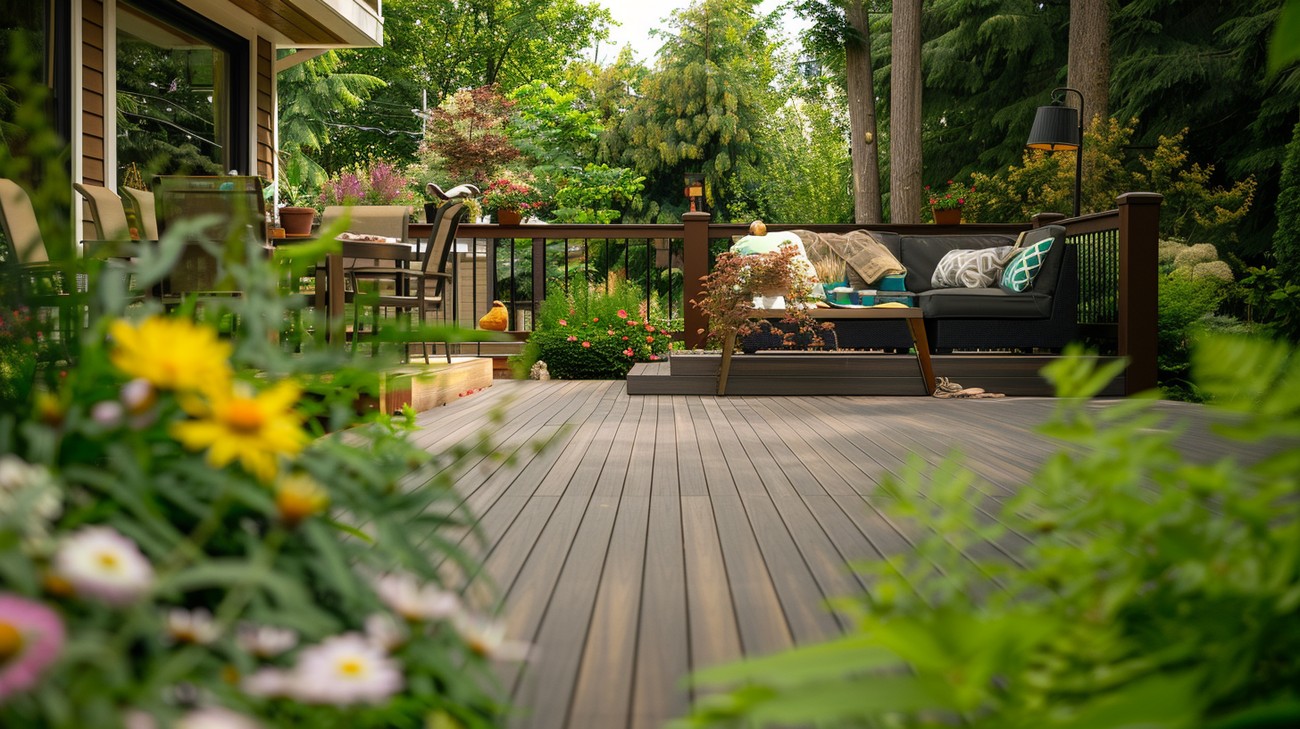
Choosing composite decks can be a game-changer for your outdoor space. They offer durability, low maintenance, and a stylish look that’s perfect for any Columbus, OH home. Not only are they resistant to fading and staining, but they also provide a beautiful aesthetic that enhances your living area without the hassle of regular upkeep, so you can spend more time enjoying your deck and less time worrying about it.
If you're ready to explore the possibilities of composite decks for your home, we'd love to help. At US Quality Construction of Columbus, we specialize in designing and installing beautiful, durable decks that fit your lifestyle. Feel free to reach out to us for a consultation or to request a free estimate. Let’s work together to create the perfect outdoor retreat for you!
Tags: durable, low-maintenance, outdoor-living,