
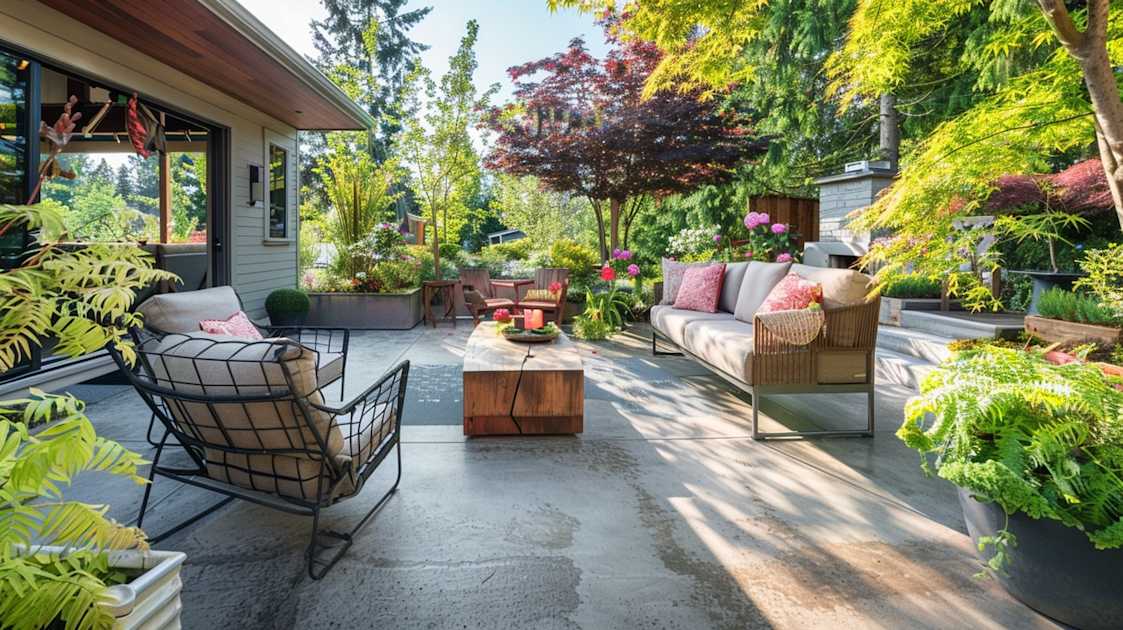


Creating a beautiful outdoor living space is a dream for many homeowners, and concrete patios offer the perfect blend of functionality and design. They serve as a canvas for creativity, a space for gatherings, and a private oasis for relaxation. If you're considering building or renovating a patio, this comprehensive guide on concrete patio ideas will provide you with the inspiration and details you need to elevate your outdoor area.
Why Choose Concrete?
Concrete is a versatile and durable material that boasts an array of benefits for outdoor spaces. Before we delve into the design possibilities, let's explore why concrete is a top choice for patios.
- Durability: Concrete patios stand the test of time, withstanding harsh weather conditions and consistent use.
- Versatility: Whether it's stamped, stained, or polished, concrete can mimic other materials like stone, brick, or wood at a fraction of the cost.
- Low Maintenance: Cleaning a concrete patio is straightforward, requiring occasional power washing and sealing for maximum longevity.
- Environmental Impact: Current innovations in concrete production reduce its carbon footprint, making it a more sustainable choice.
Classic Stamped Concrete
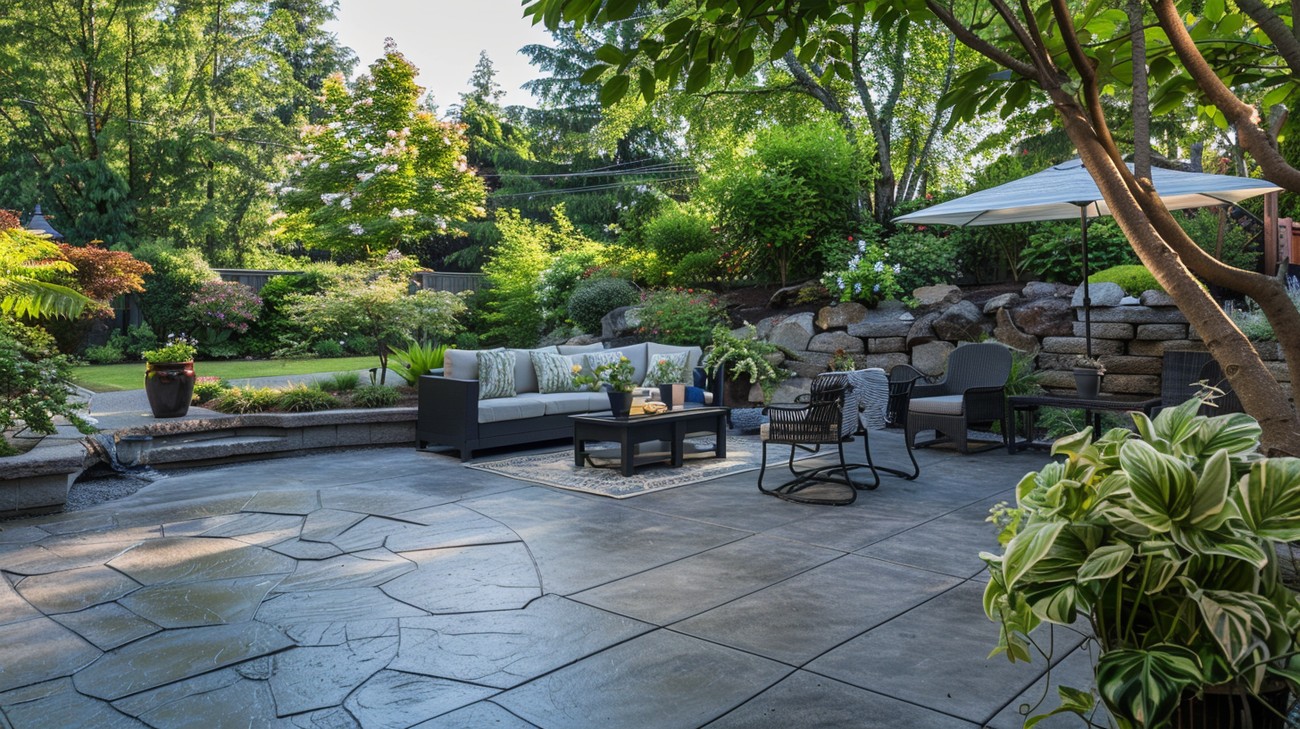
Stamped concrete is a way to achieve the look of high-end materials without the high price tag. You can mimic slate, flagstone, brick, or even wood planks. The texture and design choices are virtually unlimited, offering a sophisticated appearance.
- Impressive Patterns: Choose from a variety of patterns such as cobblestone, herringbone, and random stone.
- Natural Color Palettes: Earthy tones like browns, grays, and reds can make your stamped concrete patio blend seamlessly with its surroundings.
Modern Polished Concrete
For those aiming for a contemporary look, polished concrete has become increasingly popular. Its sleek and smooth finish is ideal for modern aesthetics and is surprisingly comfortable underfoot.
- Reflective Surfaces: Perfect for smaller spaces, polished concrete can create an illusion of a larger area through its reflective surface.
- Minimalist Appeal: Achieve a clean and uncluttered look with straight lines and simple patterns.
Integrating Colors and Stains
The application of color and stains to a concrete patio adds vibrancy and personalization. With much variety in water-based, acid-based, and integral coloring methods, your patio can truly stand out.
- Color Accents: Consider using accent colors to highlight specific areas such as borders or designs.
- Custom Staining: Acid stains can create multicolored effects, while integral colors offer a consistent hue throughout the concrete.
Seamless Indoor-Outdoor Transition
For homes that emphasize a seamless flow between indoor and outdoor spaces, concrete patios offer an ideal solution. Coordinate your patio's color palette and style with your interior to create harmony.
- Consistent Flooring: Use similar textures and colors to extend your living area outdoors, making your home feel larger and more connected.
- Bi-Fold Doors: These doors further blur the lines between the inside and outside, helping to integrate your patio into your home's living space.
Incorporating Landscaping Features
Landscaping around your concrete patio can enhance its beauty and functionality. From gardens to water features, there are numerous ways to embellish your outdoor area.
- Greenery and Planters: Arrange potted plants or build raised garden beds to add a touch of nature.
- Water Elements: Fountains or small ponds can bring a tranquil ambiance to your patio, turning it into a retreat.
Functional Zones
Consider creating specific zones within your patio for different activities. This allows for better organization and functionality.
- Dining Area: Designate a space for dining with appropriate tables and seating arrangements.
- Lounge Section: Add comfortable chairs and sofas for relaxation, perhaps around a fire pit for cooler nights.
Lighting and Ambiance
The right lighting can transform a patio from simple to stunning. Effective lighting design not only improves safety but also enhances the atmosphere.
- Soft Glow: Use string lights or lanterns to create a cozy, inviting space.
- Highlighting: Spotlights aimed at garden features or architectural elements can add depth and interest.
Sustainable Practices
Incorporating green practices into your patio project can be both eco-friendly and economically beneficial.
- Permeable Concrete: This type of concrete allows water to pass through, reducing runoff and replenishing groundwater.
- Recycled Materials: Use recycled aggregates in your concrete mix to reduce waste and energy consumption.
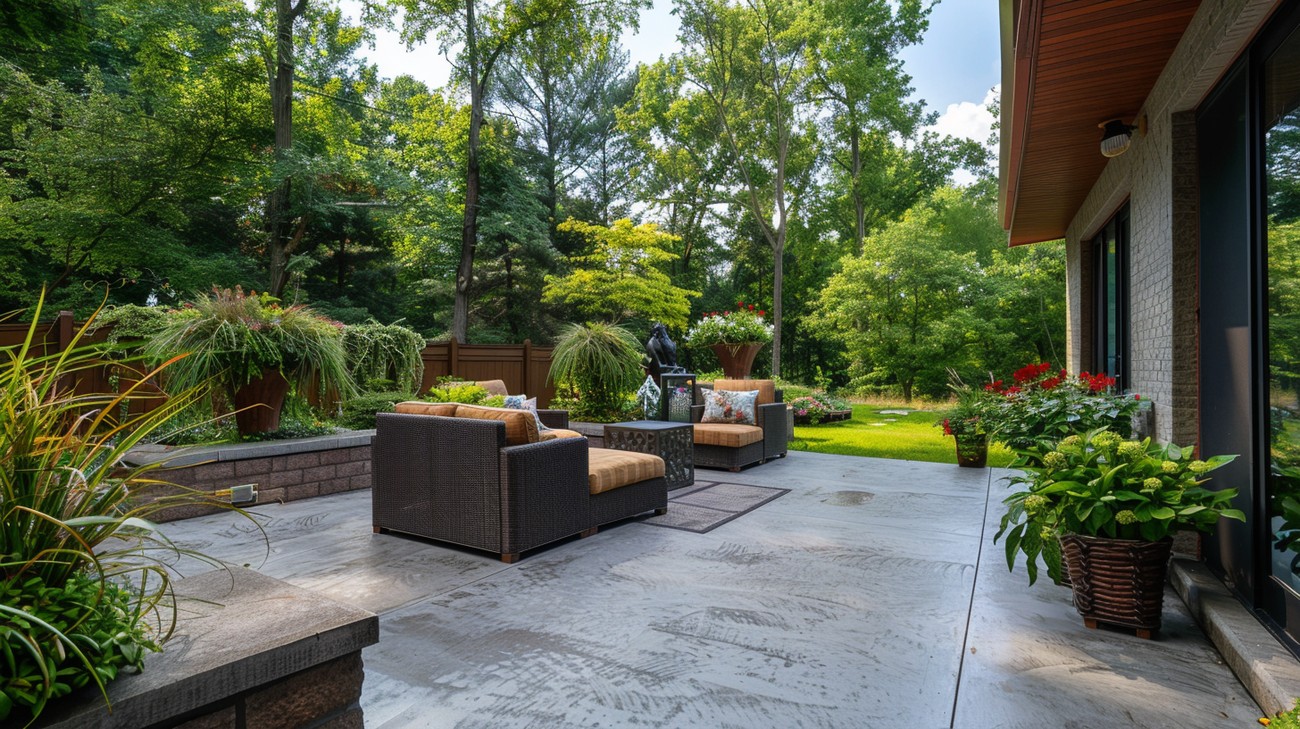
FAQ: Creative Concepts for Concrete Patios
What are some popular design options for concrete patios?
Concrete patios offer a versatile range of design options to enhance outdoor spaces. Popular choices include stamped concrete, which can mimic the appearance of stone, brick, or wood, providing an elegant look without the maintenance. Exposed aggregate is another favored option, adding texture and interest by revealing small stones within the concrete. For a sleek and modern finish, polished concrete can create a clean, sophisticated aesthetic. Additionally, you can choose decorative scoring or etching patterns, integrating geometric designs or borders for added visual appeal.
How can color be integrated into concrete patio designs?
Incorporating color into concrete patios transforms a traditionally gray surface into a vibrant element of outdoor design. Integral color involves adding pigment directly into the concrete mix, ensuring a consistent hue throughout. Alternatively, concrete stains and dyes are applied to the surface, offering a range of vivid colors and allowing for creative designs like faux finishes or patterns. For those preferring subtlety, tinted sealers can give a mild color wash while protecting the patio from elements.
What is the maintenance like for decorative concrete patios?
Maintaining decorative concrete patios is relatively straightforward. Regular cleaning with a broom or gentle power wash keeps dirt and debris at bay. For longevity, it's essential to reseal the surface every couple of years to maintain its color and protect against weathering. For areas prone to freezing temperatures, applying a de-icing agent can prevent cracking, although ensure the product is safe for decorative concrete. With proper care, concrete patios can remain attractive and functional for many years.
Are there eco-friendly options available for concrete patios?
Yes, eco-friendly options are available when designing concrete patios. Consider using fly ash or slag cement in the concrete mix, which are industrial by-products that reduce reliance on traditional Portland cement, cutting down on CO2 emissions. Additionally, pervious concrete can be used to create a sustainable patio surface allowing water to seep through, reducing runoff and improving groundwater recharge. Opting for locally sourced materials and contractors can also lower the carbon footprint associated with transporting resources.
How can concrete patios be customized to suit personal style?
Concrete patios offer endless customization opportunities to reflect individual style preferences. Custom aggregates, such as colored glass or seashells, can be embedded for a personalized touch. Personalized monograms or motifs can be carved or stamped into the surface for a unique focal point. Concrete furniture, fire pits, or integrated planters crafted from the same material can create a cohesive, custom look. By working closely with a skilled contractor, homeowners can adapt concrete patio designs to match their aesthetic visions.
What are some budget-friendly ideas for enhancing a concrete patio?
Enhancing a concrete patio on a budget is entirely feasible. Start with simple upgrades like a fresh coat of sealer to revitalize the surface. Adding outdoor rugs or potted plants can introduce color and texture without significant expense. Consider investing in DIY-friendly projects such as string lights or solar lanterns to create ambiance. Inexpensive furniture and accessories from local thrift shops can refresh a patio's look while staying within budget. Remember, a little creativity goes a long way in transforming a space.
Can a concrete patio mimic natural stone or brick?
Concrete patios can indeed mimic the appearance of natural stone or brick with remarkable authenticity. Stamped concrete is a popular technique where patterns resembling these materials are imprinted onto the surface. Colorants can be used to further enhance the illusion by mimicking the varied tones found in genuine stone or brickwork. This approach provides the aesthetic appeal of these materials with the added benefits of concrete such as durability and lower cost, making it a practical and attractive choice.
How can lighting be incorporated into a concrete patio design?
Integrating lighting into a concrete patio design creates a functional and inviting atmosphere. LED strip lights can be embedded into steps or along patio edges for subtle, yet effective illumination. Consider hanging string lights overhead for a cozy, festive ambiance. Solar-powered lights offer an eco-friendly solution, requiring no wiring and being cost-effective over time. Additionally, spotlights can be positioned to highlight specific features like seating areas or garden sculptures, enhancing the overall design.
What role do textures play in concrete patio designs?
Textures in concrete patio designs add depth and interest, transforming a flat surface into a dynamic feature. Techniques like broom finishing can create a slip-resistant texture ideal for wet environments. Stamped concrete replicates the textures of natural materials like stone, slate, or wood. Exposed aggregate adds a rustic, pebbled finish, and sandblasting can create subtle, tactile patterns. By combining different textures within a patio design, you create a visually appealing space that invites exploration.
Are there any limitations to consider when designing a concrete patio?
While concrete patios offer flexibility and durability, there are a few limitations to consider. Extreme weather conditions can cause cracking or damage if the concrete isn't mixed or sealed properly. The installation process requires skilled labor to ensure a professional finish, which can incur higher upfront costs compared to other materials like gravel or plain paving stones. Finally, while concrete can mimic other materials' appearances, it lacks their inherent warmth or organic feel, which might be a preference for some homeowners.
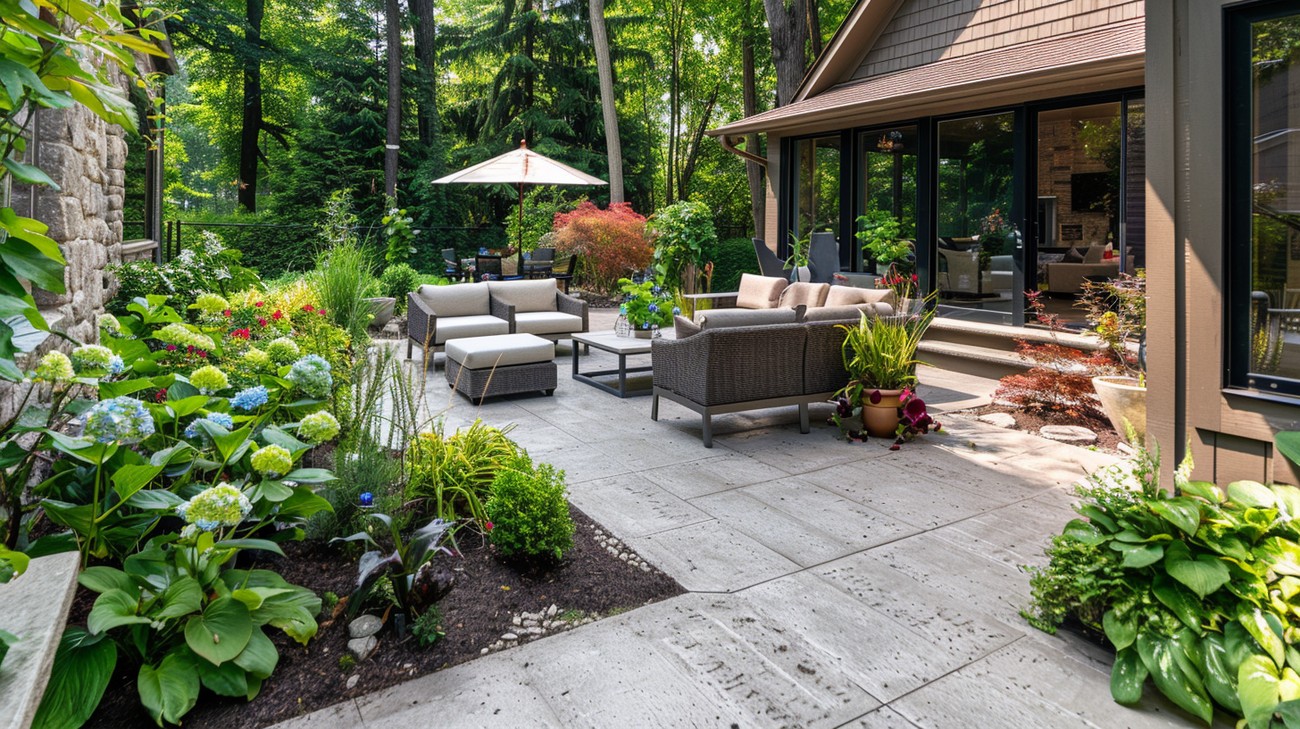
Pros & Cons of Concrete Patio Ideas
Pros
Versatility in Design
Concrete patios offer an incredible range of design possibilities. Whether you want something sleek and modern or intricate and patterned, concrete can mimic materials like stone or wood, or even feature a colorful mosaic. You can really let your creativity run wild!
Durability
One of the strongest positives about concrete patios is their durability. They stand up exceptionally well against the elements, from scorching summer heat to icy winter chills. Unlike wood, it doesn’t rot, and it’s less likely to warp or become infested by pests.
Low Maintenance
A huge advantage of concrete patios is how low maintenance they are. With occasional sweeping and annual sealing, your patio can remain looking fresh and new without too much fuss. Unlike materials like pavers or bricks, weeds are less likely to creep up between cracks—because there typically aren’t any!
Cost-Effectiveness
When compared to natural stones or bricks, concrete is a more budget-friendly option. Plus, because it lasts longer and requires less upkeep, you save money on repairs and replacements in the long run.
Eco-Friendly
Concrete can be an eco-friendly option, especially when compared to wood or composite materials that require extensive manufacturing processes. Plus, new innovative formulas and recycling techniques make it easier to create sustainable options.
Cons
Initial Installation Costs
While concrete can save you money in the long run, the upfront costs can be higher than other simpler patio solutions, like gravel or standard asphalt. The initial installation, especially if you’re looking at stamped or colored concrete, can seem intimidating.
Cracking Issues
One of the major downsides is the potential for cracking. Over time, shifts in the ground or weather changes can cause concrete to crack. While some see it as adding character, others might find it unsightly. Fortunately, there are preventative measures, like using control joints, to help minimize this risk.
Limited Comfort
Concrete patios can become quite hard and cold, making them less comfortable for bare feet compared to wood or composite decking. In sunnier climates, concrete can also retain heat and become uncomfortably hot to walk on during summer months.
DIY Challenges
Creating a concrete patio is not the most straightforward DIY project. It requires specific tools and skills to ensure proper mixing, pouring, and finishing. Hiring a professional might be necessary, which can add to the cost.
Potential Aesthetic Constraints
If not done properly, concrete can appear too industrial or bland for some tastes. While there are abundant styling options, not all homeowners feel confident in achieving the look they desire or fear the end result won’t match their vision.
Final Thoughts
When it comes to transforming your outdoor space, exploring various concrete patios ideas can truly enhance your home's aesthetic while providing a functional area for relaxation and entertainment. Whether you prefer a sleek modern look or a more rustic vibe, the versatility of concrete allows for limitless creativity that can suit any style.
If you’re ready to bring your vision to life, we’re here to help. At US Quality Construction of Columbus, we specialize in crafting beautiful concrete patios tailored to your preferences, serving homeowners in Columbus, OH. Feel free to reach out to us for a consultation or to request a free estimate, and let’s start turning your backyard dreams into a reality!
Tags: outdoor living, backyard design, home improvement,