

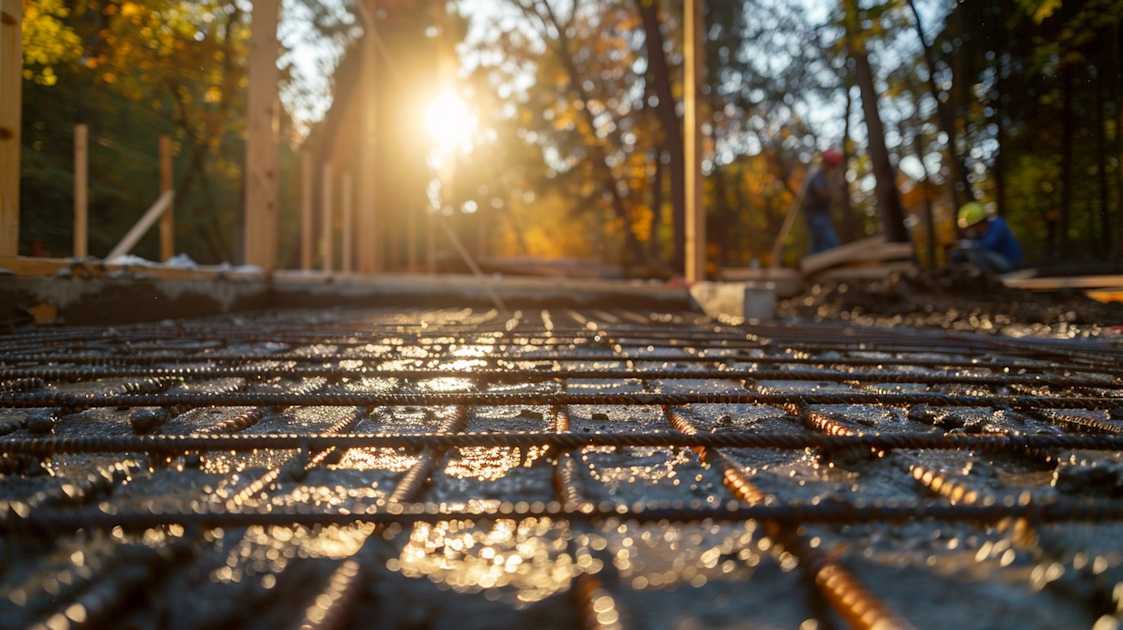


Building a deck is an exciting project that can extend your living space outdoors, offering a perfect backdrop for family gatherings, barbecues, and relaxation. However, one of the key elements critical to the safety and durability of any deck is its footings. Understanding deck footings is essential whether you're planning a DIY project or hiring professionals. This guide will walk you through everything you need to know about deck footings, from the basics to more advanced insights.
What Are Deck Footings?
Deck footings are the structural component that supports the deck posts, transferring the load of the deck to the ground. They are essentially the foundation of the deck, ensuring stability by preventing shifting due to soil movement, frost, or weight. Proper footings prevent a multitude of potential issues, securing your deck for years to come.
Importance of Proper Deck Footings
Having the right deck footings is crucial for several reasons:
- Safety: They provide the necessary support to prevent the deck from collapsing or becoming uneven.
- Longevity: Quality footings help in maintaining the structural integrity over time, even through harsh weather conditions.
- Compliance: Most local building codes require decks to have appropriately sized and positioned footings.
Types of Deck Footings
There are various types of footings, each having its benefits and suitable applications. Understanding these types enables informed choices to suit specific needs:
Concrete Deck Footings
Concrete is the traditional and most common material used for deck footings.
- Poured Footings: These involve pouring concrete into a hole with a tube form. Once cured, it creates a solid base. This method is widely used and complies with almost all building codes.
- Precast Concrete Piers: These are ready-made concrete blocks, ideal for flat terrains. They are less labor-intensive and offer a firm footing without the need for extensive digging.
Helical Deck Piers
Helical piers are steel shafts with helical plates that are driven into the ground.
- Efficiency: This type offers quick installation, making it perfect for time-sensitive projects.
- Load Capacity: They are highly efficient in weight distribution and perform well in various soil types.
Adjustable Plastic Footings
Made from durable plastic materials, these are a modern solution for adjustable deck heights.
- Eco-Friendly: Leveraging recycled materials makes them an environmentally conscious choice.
- Versatile: Ideal for lightweight decking projects or temporary installations.
Choosing the Right Deck Footings
Selecting the appropriate footing for your project depends on several factors:
- Soil Type: Analyze whether your soil is clay, sandy, or loamy, as this affects stability and drainage.
- Climate Considerations: Frost lines are crucial for deciding footing depth; colder climates require deeper excavation.
- Deck Load: Consider the weight of the decking material, furniture, and expected foot traffic.
Steps to Install Deck Footings
Here’s a general step-by-step guide to installing deck footings, focusing on concrete footings for clarity:
- Plan and Measure: Determine the deck size and plot the locations of your footings.
- Excavate Holes: Dig the holes with appropriate depth, usually below the frost line, ensuring compliance with local codes.
- Set Forms: Place cardboard or steel forms into the holes to shape the footing.
- Install Rebar: For additional support, insert rebar into the form for larger decks.
- Pour Concrete: Fill each form with concrete, and smooth the surface.
- Cure Time: Allow sufficient time for the concrete to cure—typically a few days.
- Attach Post Anchors: Once cured, install the post anchors and verify alignment with the deck plan.
Common Mistakes to Avoid
While installing deck footings, be mindful of these common pitfalls:
- Inadequate Depth: Failing to account for frost lines can lead to heaving and instability.
- Poor Drainage: Ensure footing installation accommodates proper water runoff to prevent erosion.
- Misalignment: Check alignment throughout the process to prevent structural imbalances.
Maintenance Tips for Deck Footings
Regular maintenance ensures the longevity and stability of your deck:
- Inspect Annually: Check for signs of wear, erosion, or water damage at least once a year.
- Waterproofing: Apply sealant or waterproof coatings to minimize moisture absorption.
- Re-leveling: If necessary, adjust or repair shifted footings to maintain deck levelness.
FAQ: Deck Footings
Why are deck footings important?
Deck footings are crucial because they provide a solid foundation for your deck, ensuring its stability and longevity. Without proper footings, your deck is at risk of sinking, shifting, or becoming uneven over time. This could lead to structural failure or costly repairs. A strong footing system anchors your deck to the ground and helps distribute the load evenly. Proper deck footing installation is necessary to comply with local building codes and standards, ensuring safety and durability.
How deep should deck footings be?
The depth of deck footings largely depends on your geographical location and local building codes, as factors like frost line and soil type play a significant role. Generally, footings should extend below the frost line to prevent shifting during freeze-thaw cycles. This means in some areas, your deck footings may need to be as deep as four feet or more. It’s crucial to consult with local building authorities or a professional to determine the correct depth for your specific situation. Also, consider any additional weight your deck will support, such as hot tubs or heavy furniture, which may require deeper or wider footings.
What materials are used for deck footings?
Common materials used for deck footings include concrete, concrete blocks, and precast concrete piers. Concrete is a popular choice due to its strength and durability. When using concrete, builders typically pour it into forms and allow it to cure in place, creating a custom footing that perfectly matches the site’s requirements. Precast concrete piers are convenient as they come pre-molded and can simply be placed into position. Always use weather-resistant materials if the footings will be exposed to harsh environmental conditions. When selecting materials, consider the load your deck will carry and ensure that the footing can support it.
Can deck footings be installed without professional help?
While it is possible for experienced DIYers to install deck footings, it can be a challenging task that requires careful planning, knowledge of building codes, and the appropriate equipment. Installing deck footings involves precise measurements, digging to the correct depth, and sometimes handling heavy materials like concrete. If you’re not familiar with these processes or unsure about local regulations, it’s a good idea to hire a professional. This ensures compliance with building codes and helps prevent issues like uneven footings or inadequate support, which can compromise the safety and integrity of your deck.
How far apart should deck footings be spaced?
The spacing of deck footings depends on several factors, including the type of decking material, the load the deck will carry, and local building codes. Generally, footings are placed about 8 to 10 feet apart, but this can vary based on the deck’s design and usage. For example, a deck that will support substantial weight might require closer spacing to distribute the load adequately. It is essential to factor in beam spans and joist sizes when determining footing placement. Consulting with a structural engineer or a professional builder can provide you with the appropriate spacing guidelines for optimal support.
Are there alternatives to traditional concrete deck footings?
Yes, there are alternative options to traditional concrete deck footings. One popular alternative is using helical piles, which are steel shafts with helix-shaped blades that are screwed into the ground. These are particularly advantageous in areas where digging is difficult or where soil conditions are challenging. Deck blocks or precast piers are another option, offering ease of installation and portability. Some builders also favor using screw piles for their speed and efficiency. While alternative options can save time and labor, it's essential to ensure they meet local building codes and are appropriate for your deck’s specific requirements.
How do environmental factors affect deck footings?
Environmental factors, such as soil composition, climate, and regional weather patterns, significantly impact deck footings. Soil with poor drainage may lead to water pooling around your footings, which can weaken them over time. To counteract this, ensure proper drainage or consider installing drainage systems. In regions with severe winters, footings must be deep enough to reach below the frost line to prevent frost heaving. Expansion and contraction due to temperature fluctuations can also affect footing stability, making material choice and installation method critical for longevity. Environmental considerations are fundamental to ensuring a deck's foundation remains stable and durable over time.
How can I inspect existing deck footings for damage or wear?
To inspect existing deck footings for damage or wear, start by visually examining the footings for cracks or signs of shifting, such as tilting or unevenness. Look for erosion around the base, settling signs, or the presence of moisture, especially after rainfall. If the footings are exposed, check for deterioration or any unusual growth like mold or mildew. It's also helpful to use a level to see if the deck surface shows signs of being uneven, which could indicate an issue with the footings. If you suspect any problems, it may be necessary to consult with a professional to assess and address potential concerns.
Can weather changes affect newly installed deck footings?
Yes, newly installed deck footings can be affected by weather changes. During the curing process, if you use concrete, exposure to extreme temperatures or moisture conditions, such as heavy rain or freezing, can compromise the strength and integrity of the footings. It’s recommended to schedule installation during periods of stable weather or take protective measures like covering the area with tarps. Rapid changes in temperature can cause heaving or shrinkage, potentially leading to cracks or shifts. Proper installation techniques and timing can minimize the impact of weather conditions, ensuring that your footings are sound and long-lasting.
What maintenance is required for deck footings?
Deck footings typically require little maintenance once correctly installed, but regular inspections can help catch potential issues early. Check periodically for any signs of erosion, shifting, or water pooling around the footing base, as these can indicate deeper problems. In wooden decks, ensure drainage systems redirect water away from the footings to prevent moisture-related damage. If you notice structural changes like tilting or uneven deck surfaces, it’s important to address these promptly with a professional inspection. Ensuring proper maintenance can prevent costly repairs and extend the lifespan of your deck’s foundation, maintaining its stability and safety.
Step-by-Step Guide
Tools/Materials Needed
- Tape Measure
- Wood Stakes
- Twine or String
- Shovel
- Post Hole Digger or Auger
- Concrete Mix
- Wheelbarrow
- Level
- Trowel
- Sonotubes (Concrete Form Tubes)
- Gravel
- Safety Gear (goggles, gloves, and sturdy footwear)
Preparation Steps
- Check Local Codes: Prior to digging, consult local authorities for building codes and regulations specific to deck construction. This ensures adherence to any local requirements and safety standards.
- Call for Utility Line Marking: Dial the local service to mark subterranean utility lines to avoid any punctures or damage while digging.
- Plan the Placement: Sketch your deck plan, identifying where footings must be positioned. Standard practice is to have footings located at all corners and at intervals of 4-8 feet along the perimeter.
Detailed Instructions
Measure and Mark: Use the tape measure to mark the locations for your footings based on your plan. Drive wood stakes into the ground to mark these spots, connecting them with twine or string, ensuring alignment.
Dig the Holes: Using a post hole digger or auger, dig holes at each marked location. The hole’s depth should be a minimum of 12 inches below the frost line to prevent frost heave, which varies by area. Typically, holes range from 18 to 24 inches in depth.
Level the Holes: Implement the level to ensure the bottoms of the holes are flat, which is crucial for stability.
Add Gravel for Drainage: Pour approximately 6 inches of gravel into each hole. This layer aids in drainage and prevents water accumulation that can weaken the concrete footings.
Place Sonotubes: Set sonotubes in the center of each hole, trimming them to protrude above the ground to your desired height. Sonotubes function as molds that maintain the concrete's shape during curing.
Mix and Pour Concrete: Prepare the concrete mix in a wheelbarrow following the instructions on the bag. Pour it into the sonotubes, filling them to the top. Tap the sides gently to eliminate air pockets.
Level the Footings: Use a trowel to smooth and level the surface of each footing. Cross-check with a level to ensure they are even and aligned horizontally with adjacent footings.
Let Concrete Cure: Allow the concrete to cure for at least 24 to 48 hours before beginning any deck construction. Protect the curing concrete from rain with a plastic covering if necessary.
Tips for Success
- Be Precise with Measurements: Double-check all measurements to ensure accuracy and prevent alignment issues before digging.
- Work on a Dry Day: Aim to do the excavation on a dry day to avoid excessive moisture which could cause soil collapse.
- Use Steel Reinforcing Bars for Added Strength: For taller footings, consider adding rebar for additional structural support. Position the bars so they do not touch the ground.
What to Do if Something Goes Wrong
- Incorrect Hole Depth: If the hole is not deep enough, use a post hole digger to deepen it accordingly.
- Uneven Concrete Top: Should the concrete surface not be even, you can add a layer of wet concrete to level it, using a trowel for smoothing. Ensure it remains consistent with other footings.
- Shifting Sonotubes: If sonotubes shift during the pour, adjust by nudging them back into position while the concrete is still wet. Stake them as necessary for additional support.
Common Mistakes to Avoid
1. Incorrect Depth for Footings
Why it Happens: Homeowners often underestimate the importance of digging deep enough for the footings, especially if they're not aware of local frost lines. This can result in the deck becoming unstable during freeze-thaw cycles.
How to Avoid It: Always check local building codes to determine the frost line in your area. Footings typically need to extend below this frost depth to prevent movement.
What to Do if You’ve Already Made the Mistake: If your deck footings are not deep enough, you'll likely need to remove the decking material and redig the footings to the proper depth. Consider consulting with a structural engineer to assess the stability of your existing footings.
Expert Recommendations: Always err on the side of caution by digging a little deeper than you think necessary, coordinate with local building authorities, and when in doubt, call in a professional to evaluate your site conditions.
2. Using Inadequate Materials
Why it Happens: In an effort to reduce costs, some opt for less durable materials not meant for outdoor use. These materials can lead to premature failure of the structure.
How to Avoid It: Use materials specifically designed for deck footings, like pressure-treated wood or concrete with a good mix ratio. These materials can withstand environmental factors much better over time.
What to Do if You’ve Already Made the Mistake: If your footings are already installed with inadequate materials, the best course of action is to replace them with more suitable materials, especially if they show signs of degradation.
Expert Recommendations: Opt for quality over cost. Using materials like concrete with additives that increase durability can be an excellent long-term investment.
3. Skipping Soil Testing
Why it Happens: Some DIY enthusiasts skip soil testing, assuming their soil composition can handle the structure’s load. This oversight can lead to poor footing support if the soil is too sandy or clay-heavy.
How to Avoid It: Conduct a soil test before starting the project. Soil that is not naturally supportive may require additional measures, such as additional reinforcement or footing adjustments.
What to Do if You’ve Already Made the Mistake: If your deck shows signs of shifting or sinking due to poor soil conditions, consider underpinning or installing helical piers for added stability.
Expert Recommendations: Hire a geotechnical engineer to analyze the soil if you’re unsure, ensuring the footing design matches your soil conditions.
4. Forgetting Proper Drainage
Why it Happens: Overlooking drainage is common, as the focus is often on the footing itself. Poor drainage can lead to water pooling around footings, causing erosion or frost issues.
How to Avoid It: Design your deck with adequate drainage paths, and install a drainage system around the footings if necessary to divert water.
What to Do if You’ve Already Made the Mistake: If water pooling is an issue, you can retroactively install French drains or other drainage solutions to help redirect water away from your foundation.
Expert Recommendations: Consider incorporating a slope in your design so water flows naturally away from the footings, reducing moisture-related problems.
5. Poor Planning and Measurements
Why it Happens: Eagerness to begin construction can lead to skipping detailed planning, resulting in mismatched measurements and uneven footing placement.
How to Avoid It: Carefully plan your deck’s layout, using stakes and string to visualize placement and double-check all measurements before any digging begins.
What to Do if You’ve Already Made the Mistake: Realign and adjust your footings as necessary, which might involve digging and moving them to ensure the structural integrity of the deck.
Expert Recommendations: Use precise measurement tools like laser levels to guarantee alignment, and spend time on the planning phase to save headaches down the line.
6. Not Considering Loads Properly
Why it Happens: Without knowledge of load calculations, some DIY builders underestimate the amount of weight their footings need to support, especially in multi-level decks.
How to Avoid It: Calculate the load requirements based on size and usage of your deck, factoring in weight from furniture, occupants, and any additional installations like hot tubs.
What to Do if You’ve Already Made the Mistake: Reinforce your current structure by adding additional footings and supports, especially if the deck is already showing signs of strain or imbalance.
Expert Recommendations: Collaborate with a structural engineer when planning your deck to ensure the footings are suitable for their intended load.
7. Ignoring Local Regulations
Why it Happens: Some view local building regulations as needless bureaucracy, causing issues if the deck is not compliant and must be altered or removed.
How to Avoid It: Familiarize yourself with local building codes before starting any work. Permits guide you to build a safe, reliable structure.
What to Do if You’ve Already Made the Mistake: If your deck doesn’t meet local codes, consult with local authorities to determine necessary changes. Even if it means some reconstruction, compliance will ensure safety and avoid legal issues.
Final Thoughts
When planning your deck, focusing on proper deck footings is crucial to ensure stability and longevity. A well-designed footing system not only supports the weight of your deck but also helps prevent shifting and settling over time, especially with the changing weather conditions we experience here in Columbus, OH. By doing your research and consulting with experts, you’ll set the foundation for countless enjoyable moments on your outdoor retreat.
If you're ready to take the next step in your deck project, we at US Quality Construction of Columbus are here to help. We specialize in creating solid outdoor structures tailored to your specific needs. Feel free to contact us to schedule a consultation or request a free estimate. Let’s work together to turn your vision into reality!
Tags: Concrete, Construction, Foundation,