

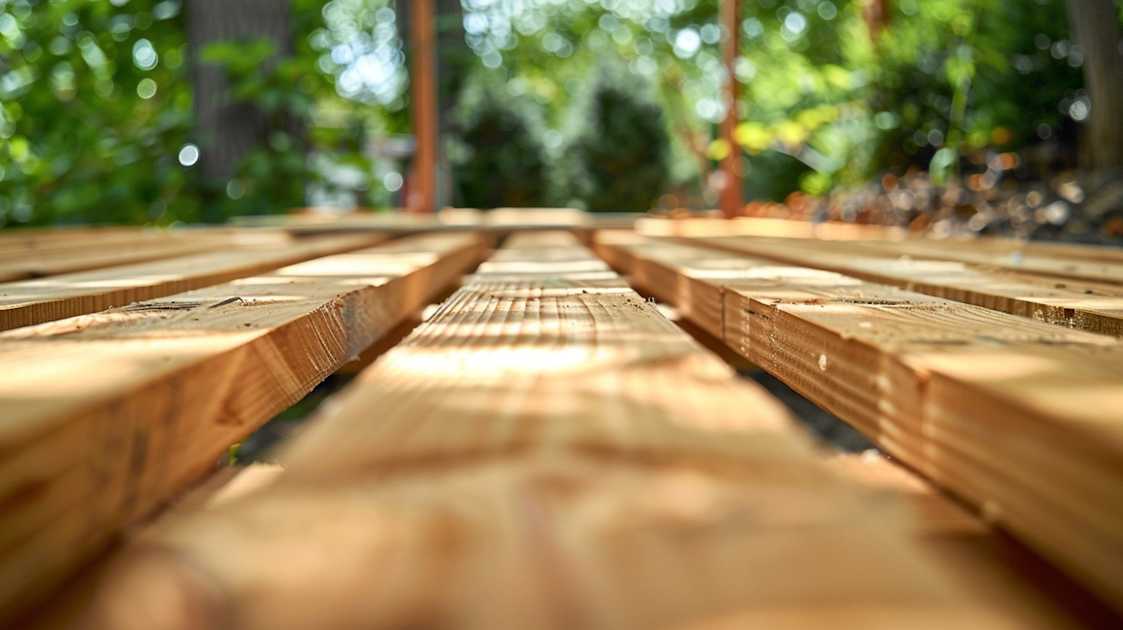


Deck construction is both an art and a science, striking a balance between aesthetics and structural integrity. A crucial component of this process is understanding deck joist spacing. Properly spaced joists ensure your deck remains safe, sturdy, and durable for years to come. In this article, we'll delve deep into everything you need to know about deck joist spacing, providing you with ample insights whether you're planning to build a new deck or upgrade an existing one.
What is Deck Joist Spacing?
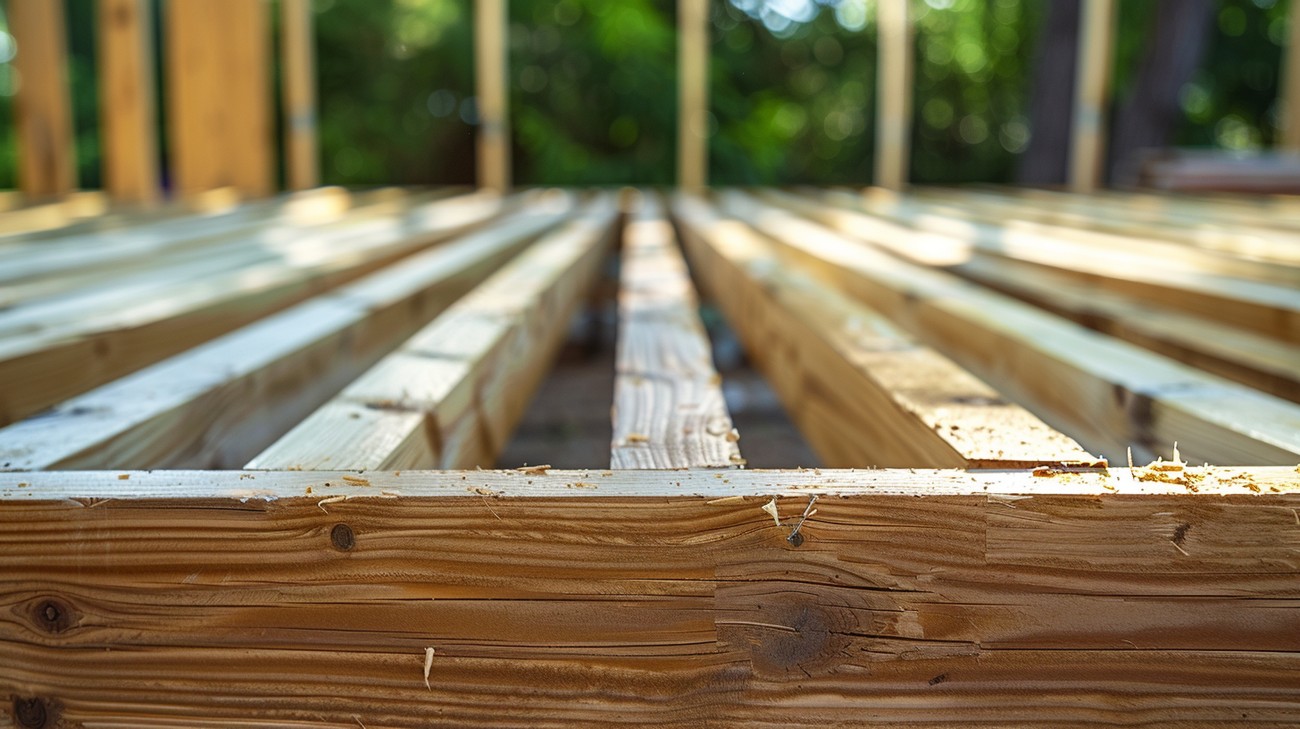
At its core, deck joist spacing refers to the distance between the centers of adjacent joists. These structural elements are horizontal members that frame the deck, supporting the decking boards above. The correct spacing ensures an even distribution of weight and helps maintain the structural integrity of the deck.
Importance of Proper Deck Joist Spacing
Proper deck joist spacing is critical not only for safety but also for longevity. Correct spacing:
- Prevents sagging and maintains deck stability.
- Enhances load-bearing capacity.
- Ensures even distribution of stress, prolonging the life of both decking material and structure.
- Facilitates proper drainage, reducing the risk of wood rot and other moisture-related issues.
Standard Joist Spacing Guidelines
Residential Decking
For typical residential decks, the joist spacing standard is typically 16 inches on center (OC). This measurement means the distance from the center of one joist to the center of the next is 16 inches. This spacing accommodates most types of decking materials and provides adequate support for everyday activities.
Commercial and Heavy-Use Decks
For commercial decks or decks subjected to heavy foot traffic or weight loads, joists may require spacing of 12 inches OC or even 8 inches OC for additional support. This closer joist spacing helps enhance the deck's ability to handle more substantial loads without compromising structural integrity.
Factors Impacting Joist Spacing
Type of Decking Material
Different materials have various strengths, and your choice greatly affects the spacing:
- Pressure-treated wood is a versatile option for many builders, adhering well to the standard 16-inch spacing.
- Composite materials are often more flexible and may require a closer joist spacing, typically around 12 inches OC, to prevent sagging.
- Hardwoods like ipe are denser and may allow for standard or wider spacing, but it's essential to check manufacturer guidelines.
Deck Design and Size
The overall design and dimensions of the deck can influence joist spacing. Larger decks might need tighter spacing, especially over expansive areas or where additional weight sources like planters or furniture are planned.
Local Building Codes
Adhering to local building codes is non-negotiable. These codes ensure safety standards and can dictate specific requirements for joist spacing based on regional climatic conditions and common load expectations.
Installation Tips for Deck Joist Spacing
Planning and Measurement
- Careful Planning: Always draft a comprehensive plan to map out joist placement, considering factors like stress points and intended use.
- Accurate Measurement: Use a tape measure to ensure joists are precisely spaced. Even slight variances can impact the deck's stability and appearance.
Tools and Techniques
- Leverage tools such as joist spacing templates or spacers to maintain consistency.
- Use string lines to guide placement, ensuring alignment throughout the decking framework.
Securing Joists
Properly securing joists is as critical as correct spacing. Use galvanized nails or screws that resist corrosion. Consider joist hangers for additional support and securing at junctions to ensure stability over time.
Common Mistakes to Avoid
- Ignoring Material Guidelines: Always follow manufacturer instructions for the decking material as they offer specifications tailored to ensure product longevity.
- Overlooking Load Calculations: Without accounting for the full load the deck will bear, there is a risk of underestimating needed support.
- Neglecting Environmental Conditions: Factors such as wind, snow, and moisture can affect joist lifespan and spacing needs.
Joist Spacing for Multi-Story and Ground-Level Decks
Multi-Story Decks
In multi-level decks, support beams carry additional weight, thus requiring robust joist spacing. Always consult with structural engineers for optimal support configuration and spacing for decks that rise above ground level.
Ground-Level Decks
For decks closer to the ground, joist spacing remains important for drainage and airflow. Proper spacing avoids moisture build-up beneath decking boards, reducing the risk of rot.
FAQ: Deck Joist Spacing
Why is deck joist spacing important?
Deck joist spacing is crucial because it provides the foundational support system for your decking. Proper spacing ensures that the deck's weight is evenly distributed, minimizing the risk of sagging or structural failure. Additionally, the correct spacing affects the overall stability and durability of your deck, influencing how well it withstands various loads and weather conditions over time. An accurately spaced joist system ensures your deck remains a safe, durable space for activities and relaxations.
What is the standard deck joist spacing?
The standard deck joist spacing is typically 16 inches on center, meaning the center of one joist to the center of the next joist is 16 inches apart. This spacing is generally adequate for most residential decking applications, providing a good balance between structural integrity and material cost. However, variations can occur based on the type of decking boards used, the load requirements, and local building codes. Always check with local regulations and manufacturer guidelines when planning your deck.
Can deck joist spacing affect the type of decking boards used?
Yes, deck joist spacing can significantly impact the type and size of decking boards you choose. Thinner or lighter boards may require closer joist spacing to prevent bending or bowing, while thicker or denser boards can span greater distances. For composite or PVC decking, manufacturers might recommend specific joist spacings that differ from traditional wood to ensure optimal performance. Understanding these requirements before starting your project will help you select suitable materials for your deck's design.
How do local building codes influence deck joist spacing?
Local building codes play a pivotal role in determining the appropriate deck joist spacing for your area. These codes are designed to ensure safety and structural integrity while accounting for local environmental conditions, like snow load or wind pressure. They may require tighter spacing or additional supports in regions where decks need to withstand heavier loads. It's essential to consult local building codes before commencing a project to ensure compliance and avoid any potential legal issues.
Is it possible to alter the joist spacing for design purposes?
Absolutely, you can adjust the deck joist spacing for specific design requirements, such as accommodating custom deck patterns or special features. However, any alteration from standard spacing should be carefully calculated to maintain structural integrity. You may need to add extra joists or supports if you choose a wider spacing. Working with a structural engineer or experienced contractor can help ensure that your design remains safe and robust despite any unconventional joist spacing.
What tools are needed to ensure accurate deck joist spacing?
Ensuring precise deck joist spacing requires a handful of essential tools, such as a measuring tape, chalk line, carpenter's square, and a level. These tools help lay out and verify the alignment and consistency of the joist installation. Additionally, having a spirit level can ensure that joists are installed evenly, which is crucial for a level decking surface. Proper planning and accurate measurements during this phase can prevent issues later in the construction process.
How does the span of the joists affect the spacing?
The span of the deck joists, meaning the distance between supports (such as beams or ledgers), directly influences the needed spacing. Longer spans generally require closer joist spacing to support the deck's weight and any additional loads it may bear. Conversely, shorter spans may afford wider spacing without compromising structural integrity. Understanding your deck plan and the load it will carry can guide decisions on appropriate joist span and spacing.
Are there adjustments needed for joist spacing in commercial vs. residential decks?
Yes, commercial decks often require different joist spacing than residential decks due to stricter safety standards and higher load requirements. Commercial spaces may undergo more intense usage, necessitating closer spacing or more robust materials to withstand increased traffic and weight. These constructions must adhere to additional regulations and codes. If designing a commercial deck, consulting with a structural engineer can ensure compliance with commercial standards and help provide a safe, long-lasting structure.
How does weather impact deck joist spacing considerations?
Weather and climate conditions can have a significant impact on choosing the right deck joist spacing. In areas experiencing heavy snowfall, close joist spacing is advisable to handle the additional weight. For regions with high humidity or frequent rain, ensuring there is a sufficient gap between joists can improve airflow and drainage, reducing moisture retention and potential rot issues. Tailoring the joist spacing to local weather conditions can enhance the longevity and performance of your deck.
Can joist spacing affect the cost of building a deck?
Indeed, the spacing of deck joists can considerably impact the overall cost of constructing a deck. Closer joist spacing requires more lumber and hardware, increasing material costs. However, this expense can be offset by the enhanced strength and durability of the deck. Striking a balance between adequate spacing and budget constraints is vital. Investing in the correct spacing up front can prevent costly repairs and extend the life of your deck, offering better long-term value.
Is it possible to modify joist spacing in an existing deck?
Modifying joist spacing in an existing deck is possible but can be challenging. This process may involve removing decking boards and existing joists, installing new joists, or adding additional supports to achieve the desired spacing. It's essential to assess whether the existing structure can accommodate such modifications without compromising stability. Consulting a professional ensures the modifications are done correctly and safely, maintaining the deck's integrity throughout the process.
Step-by-Step Guide for Deck Joist Spacing
Tools and Materials Needed
- Measuring tape
- Carpenter’s pencil
- Circular saw
- Speed square
- Chalk line
- Joist hangers
- Level
- Drill and drill bits
- Galvanized nails or screws
- Lag bolts
- Safety glasses
- Work gloves
Preparation Steps
Before diving into the installation, take these crucial preparatory steps:
Design and Plan: Determine the size of your deck and consult local building codes for joist spacing requirements. Typically, the spacing is around 12, 16, or 24 inches on center, depending on the joist size and the decking material used.
Select Materials: Choose high-quality, treated wood for joists to ensure longevity and resistance to the elements.
Measure and Mark: Clearly measure the deck frame area where joists will be installed. Mark the locations on the beam where each joist will be positioned, based on the spacing you calculated.
Detailed Instructions
Secure the Ledger Board:
- Attach the ledger board to the house using lag bolts, ensuring it is level. This board is crucial as it anchors your deck to your home.
Install Joist Hangers:
- On the ledger board, install joist hangers at marked intervals using galvanized nails or screws. Ensure they are level and securely fastened. Joist hangers support the ends of the deck joists and are essential for a stable deck.
Position the First Joist:
- Cut the first joist to the correct length using a circular saw. Place it in the joist hanger, ensuring it is level. Secure it with nails or screws through the hanger into the joist.
Set Up a Guide Joist:
- Establish a guide using one or two joists placed at either end of the deck to help align the remaining joists. This will ensure uniform spacing.
Install Remaining Joists:
- Lay each joist into its respective hanger. Keep checking your alignment with a level and a speed square to avoid any distortion. Secure each joist by fastening it to both the hanger and the beams at the opposite end.
Adjust for Perfection:
- Use a chalk line to double-check your spacing consistency along the row. Make slight adjustments to the joists to maintain straight lines across the span.
Perform Final Checks:
- With all joists installed, go over each connection ensuring no nails or screws are loose, and all joists are perfectly level.
Tips for Success
Check Codes: Always adhere to local building codes for safety and compliance. If unsure, consult with a professional.
Use Quality Materials: High-quality materials may be a bit pricier but ensure a long-lasting, reliable deck.
Keep Within Budget: Plan and calculate costs beforehand. Over-budgeting is better than needing additional funds mid-project.
Work Smart: Tackle this project on a clear, dry day to prevent slipping on wet wood and to ensure adhesive longevity in certain materials.
What to Do if Something Goes Wrong
- If a joist is not level, check the hanger attachment. Adjust the hanger or plane down high spots on the joist with a planer tool to achieve a level surface.
- If joist spacing discrepancies occur, remove any fasteners, reposition the joist correctly, and refasten. Retighten any loose connections.
- Should wood split near the ends during installation, pre-drill holes for screws to prevent further splitting, or trim the affected end and reattach.
- If the deck feels unstable, double-check all connections, particularly the ledger board. Seek professional assistance if needed to ensure safety.
Common Mistakes to Avoid
Incorrect Joist Spacing
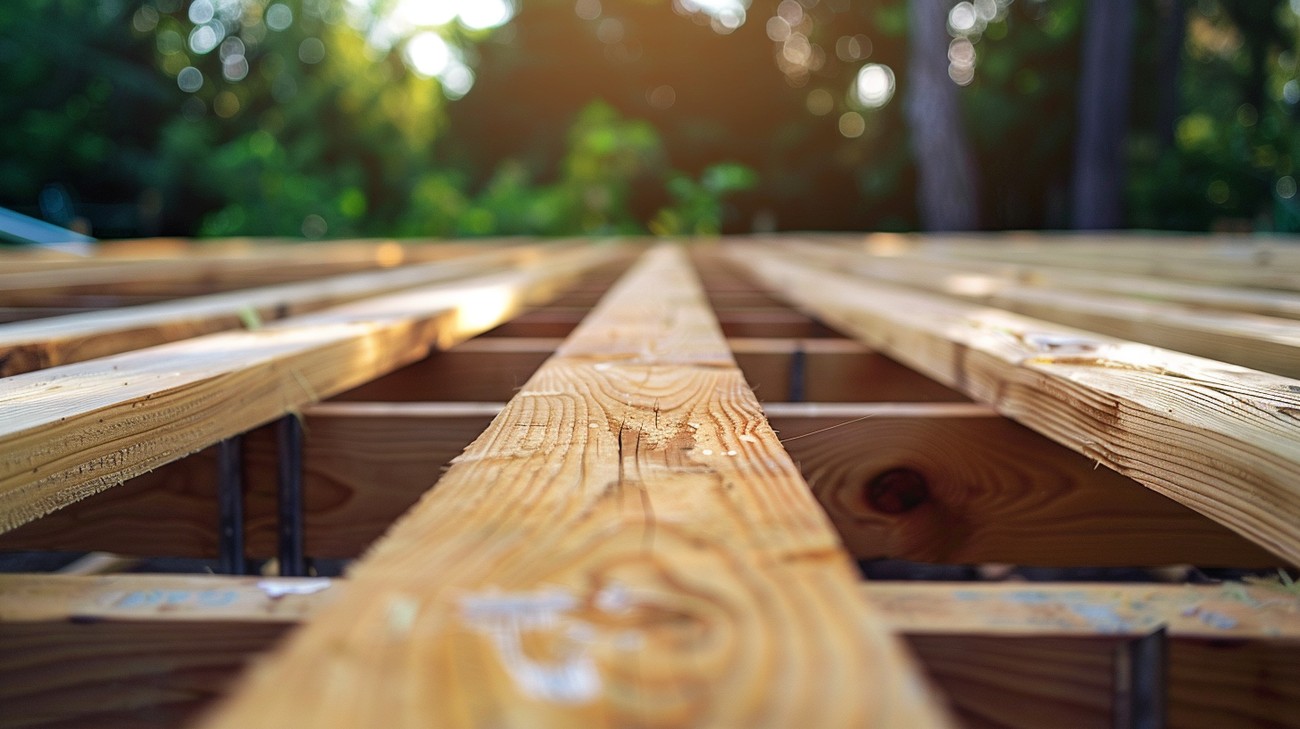
A common oversight when building a deck is using incorrect joist spacing. This typically occurs due to a misunderstanding of load requirements or overlooking manufacturer guidelines. Incorrect spacing can lead to a bouncy deck and increased risk of structural failure. To avoid this, always refer to your local building codes and follow them strictly. If you find yourself in this situation, you may need to reinforce the deck by adding additional joists between existing ones. Consulting with a structural engineer or a deck building expert can provide guidance tailored to your specific needs.
Overlooking Material Specifications
Many DIY enthusiasts make the mistake of applying a "one-size-fits-all" approach to deck construction, which can lead to choosing the wrong joist spacing for the material used. Different decking materials have different structural properties and load-bearing capacities. Always check the decking material specifications for recommended joist spacing. If your deck already has this issue, strengthening the deck's substructure by adding or repositioning joists might be necessary. Experts advise keeping detailed records of material choices and constantly cross-referencing with manufacturer guidelines to ensure compliance.
Failing to Consider Future Modifications
Sometimes, homeowners don't think about future modifications when deciding on joist spacing, which can pose challenges if plans include adding features like hot tubs or additional screening. This mistake typically arises from focusing solely on the current project scope. Future-proof your deck by considering potential additions upfront and consulting with a contractor to determine how these changes could impact joist spacing and overall deck design. If you've already built your deck without considering future needs, you may need to retrofit additional support, which could involve significant modifications.
Neglecting Environmental Conditions
Inappropriate joist spacing can result from failing to consider environmental factors such as snow load, high winds, or seismic activity. Builders sometimes neglect these elements due to oversight or lack of research, which can compromise deck integrity. To prevent this, assess your location's environmental conditions and factor them into your design. If this was overlooked in your current deck, a professional assessment can help determine whether additional reinforcement or changes are needed. Experts recommend consulting with local builders familiar with the area's environmental challenges.
Not Accounting for Drainage
Improper spacing can lead to inadequate drainage and moisture buildup, which accelerates wood decay and compromises deck stability. Many builders miss this point due to a focus on aesthetics over functionality. Ensure your joists are spaced to promote effective water drainage. If drainage issues are already present, you might need to install a drainage system beneath the deck, or reevaluate and adjust your joist layout to better accommodate water flow. It's prudent to seek advice from a deck specialist focused on moisture management solutions.
Ignoring Professional Advice
A common error with long-lasting consequences is ignoring the advice of professionals regarding appropriate joist spacing. This typically occurs when attempting to cut costs, underestimating the importance of expert input. To sidestep this pitfall, prioritize consulting with a seasoned contractor or structural engineer before beginning your project. If this advice was initially disregarded, it's never too late to bring in an expert for a consultation to assess your current deck conditions and recommend necessary alterations. Industry professionals emphasize that investing in professional guidance upfront can prevent more costly repairs down the line.
Misjudging Joist Span
Misjudging the allowable span between joists, based on the type and size of joist material, is an error that compromises deck safety and longevity. This can happen when builders avoid consulting span tables or fail to understand them fully. Always utilize available span tables and guidelines specific to the material you are using, taking into consideration load requirements and span capabilities. If your deck suffers from this mistake, reinforce the structure by reducing the span or adding additional support beams. Experts advise staying updated with latest engineering publications and building code amendments to ensure span compliance.
Final Thoughts
Getting the deck joist spacing right is crucial for ensuring your deck is not only sturdy but also safe for family and friends. We recommend keeping the spacing consistent, typically between 16 to 24 inches apart, depending on the materials and load requirements. This helps prevent sagging and promotes longevity, meaning you’ll enjoy your outdoor space for years to come.
If you’re in Columbus, OH, and ready to enhance your outdoor living experience, we’re here to help. At US Quality Construction of Columbus, we pride ourselves on providing expert advice and top-notch service tailored to your needs. Reach out to us for a consultation or a free estimate so we can get started on your dream deck together. Let’s create a space that you’ll love!
Tags: wood, building, construction,