

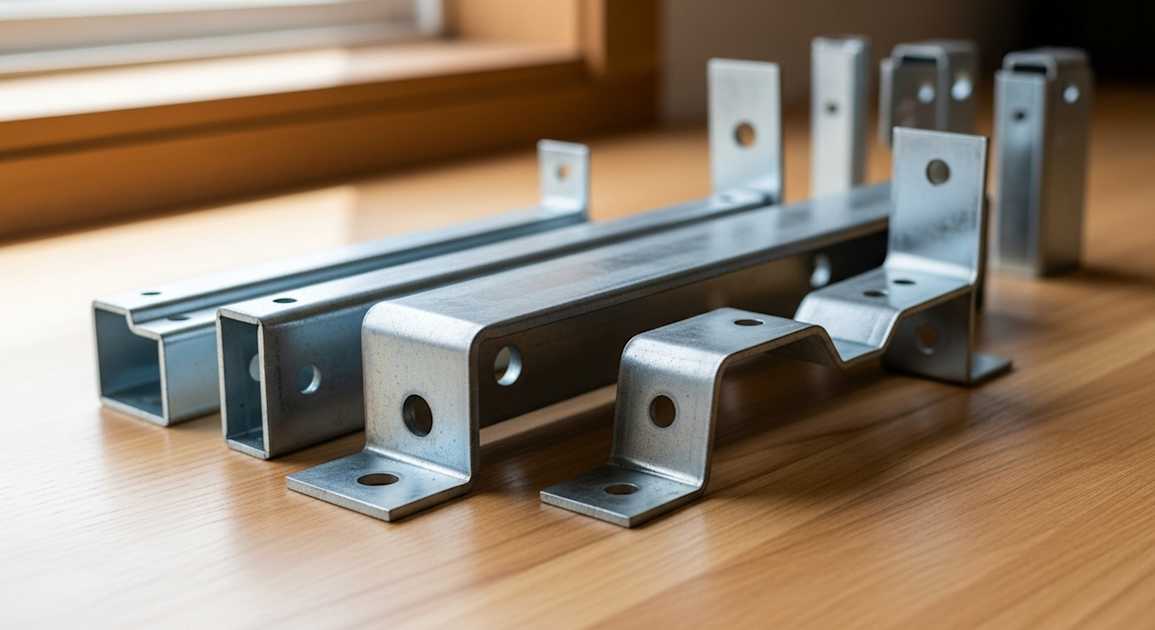


Joist hangers play a pivotal role in modern construction. They are integral to the structural integrity of buildings, providing stability and support. Whether you're a construction professional, a DIY enthusiast, or someone keen on learning about fundamental building components, understanding joist hangers is essential. This guide delves into everything you need to know about joist hangers.
What Are Joist Hangers?
Joist hangers are key connectors in construction, designed to attach beams to other structural elements in a secure and stable manner. Typically made of metal, they cradle the ends of joists and hold them in place against a ledger board or beam. Joist hangers support the weight of floors, balconies, and ceilings, ensuring that these structures remain steady and safe.
Importance of Joist Hangers
The importance of joist hangers cannot be overstated. They are vital for:
- Structural Integrity: Joist hangers provide the necessary support for joists, which carry the load above them.
- Safety: By securely holding joists, they prevent potential collapses or structural failures.
- Durability: They ensure that structures are long-lasting by maintaining proper alignment and reducing the stress on individual components.
Types of Joist Hangers
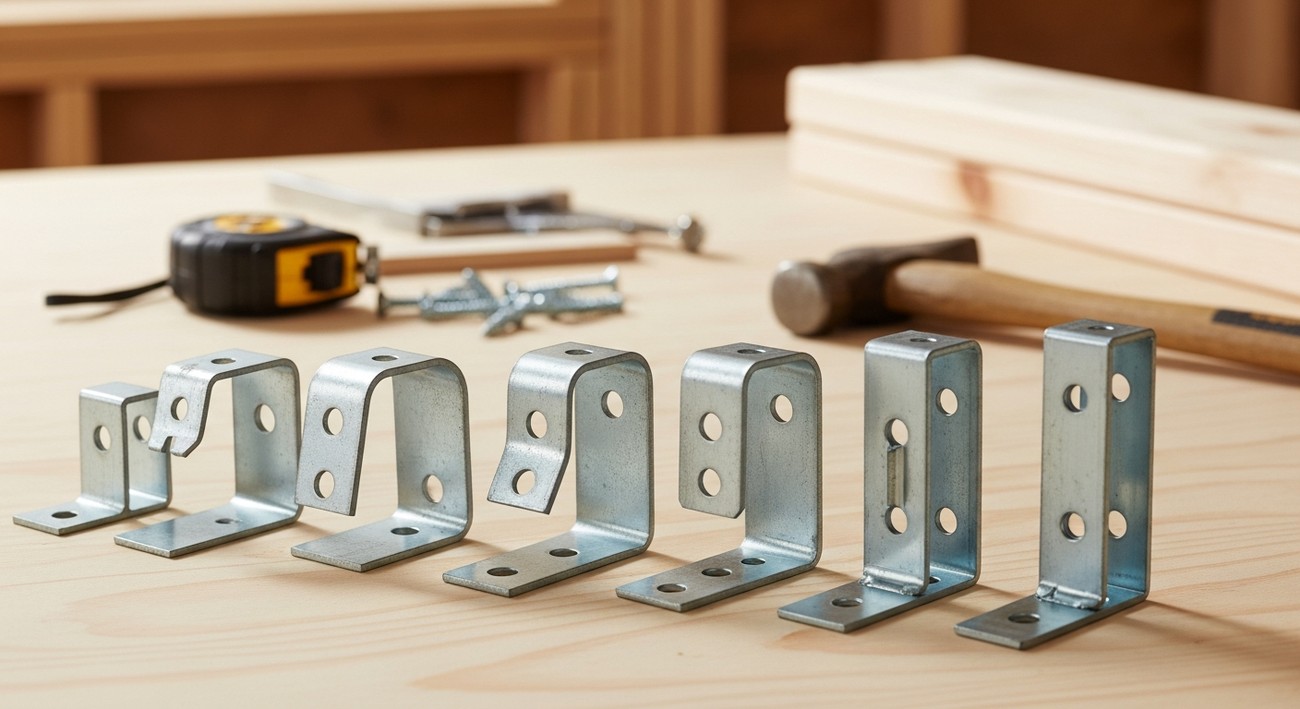
Joist hangers come in various shapes and sizes to accommodate different construction needs. The most commonly used types include:
Face-Mount Joist Hangers
Face-mount joist hangers are the most conventional type, designed to be nailed directly onto the face of a supporting timber structure. They are:
- Easy to Install: Simple nailing makes them popular in residential and commercial projects.
- Versatile: Suitable for different angles and configurations.
Top-Mount Joist Hangers
Top-mount joist hangers provide support from above, often used in applications where beams rest on top of a plate or ledger. Their features include:
- Strong Load-Bearing Capacity: Ideal for heavy-duty applications.
- Minimal Obstruction: Helps maintain a clean, streamlined appearance.
Concealed Joist Hangers
Concealed joist hangers offer a seamless look by hiding most of the hardware within the structure. They provide:
- Aesthetic Appeal: Perfect for visible structures where appearance is crucial.
- Hidden Support: Offers robust support without being seen.
How to Choose the Right Joist Hanger
Selecting the perfect joist hanger for your project involves considering several key factors:
- Load Requirements: Ensure the hanger matches the weight it needs to support.
- Material Compatibility: Choose materials that work well with the joists and beams you are using.
- Environmental Conditions: Consider outdoor elements like moisture; opt for galvanized or stainless steel hangers in damp conditions.
Materials and Coatings
Joist hangers are typically made from steel, with variations in coatings for added protection. Here's a quick look:
- Galvanized Steel: Ideal for outdoor use, offering rust and corrosion resistance.
- Stainless Steel: Provides superior resistance to moisture and chemicals, suitable for coastal regions.
Installation Tips
Proper installation of joist hangers is crucial for their effective performance:
- Always follow the manufacturer's instructions for securing nails and screws.
- Make sure the wood surface is clean and free of defects before installation.
- Use the recommended fasteners to ensure maximum load-bearing capacity.
Common Mistakes to Avoid
Being mindful of typical errors can ensure a successful installation:
- Using the Wrong Hanger: Not all hangers are designed for the same applications; choosing incorrectly can compromise structural integrity.
- Improper Fastening: Skimping on the number of fasteners or using the wrong type weakens the system.
- Ignoring Maintenance: Regular inspections and maintenance extend the lifespan of joist hangers.
Advantages of Using Joist Hangers
Efficient use of joist hangers offers various benefits:
- Enhanced Stability: Secures connections between joists and support beams.
- Versatile Applications: Suitable for residential, commercial, and industrial projects.
- Cost-Effective: Although an initial investment, they reduce repair costs associated with structural failures.
Innovative Joist Hanger Designs
Advancements in construction technology have led to innovative hanger designs:
- Adjustable Joist Hangers: Allow for on-site adjustments, accommodating varying beam sizes.
- Eco-Friendly Hangers: Made from recycled materials, meeting sustainable building practices.
Frequently Asked Questions about Joist Hangers
How do you install joist hangers properly?
To install joist hangers properly, start by positioning the hanger on the ledger board where the joist will be placed. Ensure that the hanger grips the joist snugly, providing full support beneath it. Use nails or the recommended fasteners for your specific hanger to secure it into place. It's essential to use the manufacturer's suggested fasteners because using incorrect nails or screws can compromise the hanger's strength. Align the joist with the hanger and nail it through the side holes to complete the installation. This not only secures the hanger to the supporting beam but also stabilizes the joist itself.
Are all joist hangers made from the same material?
Not all joist hangers are created from the same material; they typically vary depending on the application. While many are made from galvanized steel for enhanced corrosion resistance, there are also options crafted from stainless steel, especially for areas with high exposure to moisture, like coastal regions or outdoor decks. These materials provide durability and reliability, ensuring that the joist hangers do not fail or corrode prematurely. Always select joist hangers that match the environmental conditions of your project for the best performance.
Can joist hangers be used with treated wood?
Yes, joist hangers can be used with treated wood, but it's crucial to ensure that the hangers are made from compatible materials. Treated lumber often contains chemicals that can cause corrosion, so using hangers made from galvanized or stainless steel is recommended. These materials resist corrosion, providing a safer and longer-lasting connection. Many manufacturers offer joist hangers explicitly designed for use with treated wood, and these should be your go-to choice to avoid any potential issues.
What is the weight capacity of a standard joist hanger?
The weight capacity of a standard joist hanger can vary significantly based on its size, material, and design specifications. However, typical residential joist hangers can support anywhere from a few hundred pounds to over a thousand pounds. It is essential to reference the manufacturer's load capacity charts to ensure the selected hanger can support the intended load. Be sure to account for additional factors such as dynamic loads and other environmental considerations when assessing capacity.
How do you choose the right size joist hanger for your project?
Choosing the right size joist hanger involves considering the dimensions of the supporting and supported joists. Hangers should fit snugly around the joist without slack while covering the full width of the beam. Measure both the depth and width of the joist you'll be supporting, as well as the intended space on the ledger board, to make sure the hanger fits correctly. Manufacturers usually provide detailed guidance on selecting the appropriate size and type of hanger for specific joist dimensions.
What are some common mistakes to avoid when using joist hangers?
Some common mistakes when using joist hangers include using improper fasteners, incorrect installation techniques, and selecting the wrong size hanger. Using regular nails instead of joist hanger nails is a common error that compromises structural integrity. Additionally, sometimes individuals neglect to fully seat the joist into the hanger, leaving it floating or improperly supported. Always follow the manufacturer's instructions closely and use the recommended fasteners to ensure a safe and secure joist connection.
Can joist hangers be used in seismic zones?
Yes, joist hangers are crucial in seismic zones, often required by building codes to provide additional support during earthquakes. There are specific seismic-rated joist hangers designed to withstand lateral forces more effectively than standard types. These hangers come with increased load capacities and reinforced designs to ensure stability under seismic activities. If you're working within a seismic zone, check local building codes and select joist hangers appropriately rated for seismic activity.
Is it okay to use screws instead of nails for joist hanger installation?
While it might be tempting to opt for screws due to their ease of use, it's crucial to use nails designed for joist hangers unless the hanger specifically lists screws as an appropriate fastener. Nails have the shear strength needed for these connections, while many screws lack the necessary strength and ductility. Some hangers are designed with screws in mind, so always check the manufacturer's recommendations and use the appropriate fasteners for your specific hanger type.
Are there alternatives to joist hangers for supporting joists?
Alternatives to joist hangers include traditional methods such as notching the joist to rest on a ledger board or using beam hangers. However, these methods can compromise joist strength or require more complex woodworking skills and precise cuts. Joist hangers provide a straightforward, secure, and strong option that simplifies the installation process. They are specifically engineered to support loads efficiently and safely, making them a preferred choice in most residential and commercial building projects.
How do joist hangers improve building safety?
Joist hangers enhance building safety by providing a secure and robust connection between joists and their supporting structure. They distribute loads evenly, reducing stress on single points and minimizing the risk of joist sagging or collapse. Additionally, joist hangers help prevent lateral movement, which can be critical in ensuring stability during high winds, earthquakes, or when bearing dynamic loads. By adhering to building codes and using joist hangers correctly, structures gain longevity and resilience.
Exploring the Pros & Cons of Joist Hangers
Pros of Joist Hangers
Improved Structural Integrity
You can't overstate the importance of a sturdy structure, and joist hangers excel at this. They provide unparalleled support, making your building projects robust and long-lasting. With joist hangers, the connections between beams and ledgers are rock-solid, reducing the risk of structural failure.
Easy Installation
Joist hangers make building so much easier. Whether you're a seasoned pro or a DIY enthusiast, putting these babies in place is a straightforward task. With just a few nails or screws, you can secure them, fast-tracking your project without compromising on quality.
Versatility
The versatility of joist hangers is a huge plus. They come in various sizes and designs to accommodate different building needs. Whether it’s for a deck, a floor, or a ceiling, you can find the right hanger to fit your specific requirements.
Cost-Effective Solution
By minimizing the potential for errors in construction and enhancing safety, joist hangers end up being a cost-effective choice. You're less likely to incur the higher expenses that come with structural repairs later on. In short, they're economical both in the short and long run.
Enhanced Load Distribution
Thanks to their design, joist hangers do a fantastic job of distributing loads evenly across the beams. This not only extends the life of the structure but also prevents localized failures, offering peace of mind especially in areas prone to heavy loads or extreme weather.
Durability
These steel connectors are built to last. Most joist hangers are galvanized or made from stainless steel, which means they can stand up to the elements without corroding or deteriorating over time. This durability adds another layer of reliability to your project.
Cons of Joist Hangers
Potential for Installation Errors
As straightforward as installing joist hangers might seem, there's still room for mistakes. Incorrect angles or insufficient nailing can compromise the entire structure. It's crucial to ensure proper installation to achieve the maximum benefits.
Aesthetic Limitations
Let's be honest—joist hangers aren't the prettiest part of a build. They can be somewhat unsightly when exposed, which could be a concern if the aesthetic of your space is a priority. Concealing them might require additional work or design considerations.
Material Compatibility
Certain materials used in joist hanger construction can react negatively with treated lumber. If you're not using hangers specifically designed to handle treated wood, you might run into issues with corrosion, which could affect the structural integrity over time.
Costs for Specialty Hangers
While standard joist hangers are generally affordable, specialty hangers designed for unique or heavy-duty applications can be more expensive. This may affect your budget, especially if your project requires a large number of these specialized items.
Reliance on Nails and Screws
The security of joist hangers primarily depends on nails and screws, which are the weakest components in the assembly. Over time, these fasteners can become loose or corroded, requiring maintenance to maintain the connection's integrity.
Adjustment Challenges
Once you've secured joist hangers, making adjustments or changes can be a real hassle. If you realize a beam is slightly off or needs repositioning, it might involve extra work to detach and resecure everything, adding time and effort to your project.
Final Thoughts
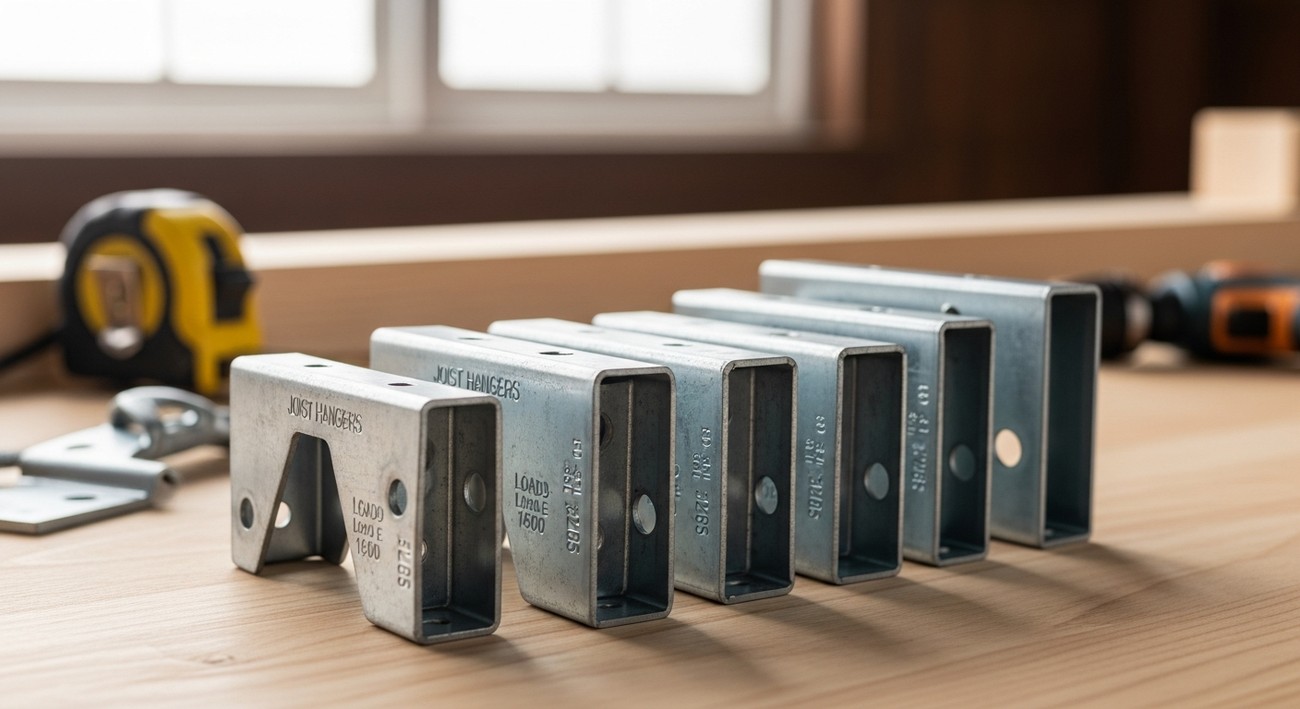
When it comes to ensuring a sturdy and reliable structure, using joist hangers is essential for any building project. These handy metal connectors play a vital role in securely attaching joists to beams, which helps provide the necessary support for floors and ceilings. It's crucial to choose the right type and size of joist hanger based on your specific needs and local building codes, especially for homeowners here in Columbus, OH, who want to maintain the quality and integrity of their properties.
If you're considering a new construction project or a renovation, we at US Quality Construction of Columbus are here to help. We can guide you through the selection and installation of joist hangers to ensure your project is safe and efficient. Don't hesitate to reach out to us for a consultation or to request a free estimate—let's work together to create a space you can be proud of!
Tags: construction, framing, carpentry,