
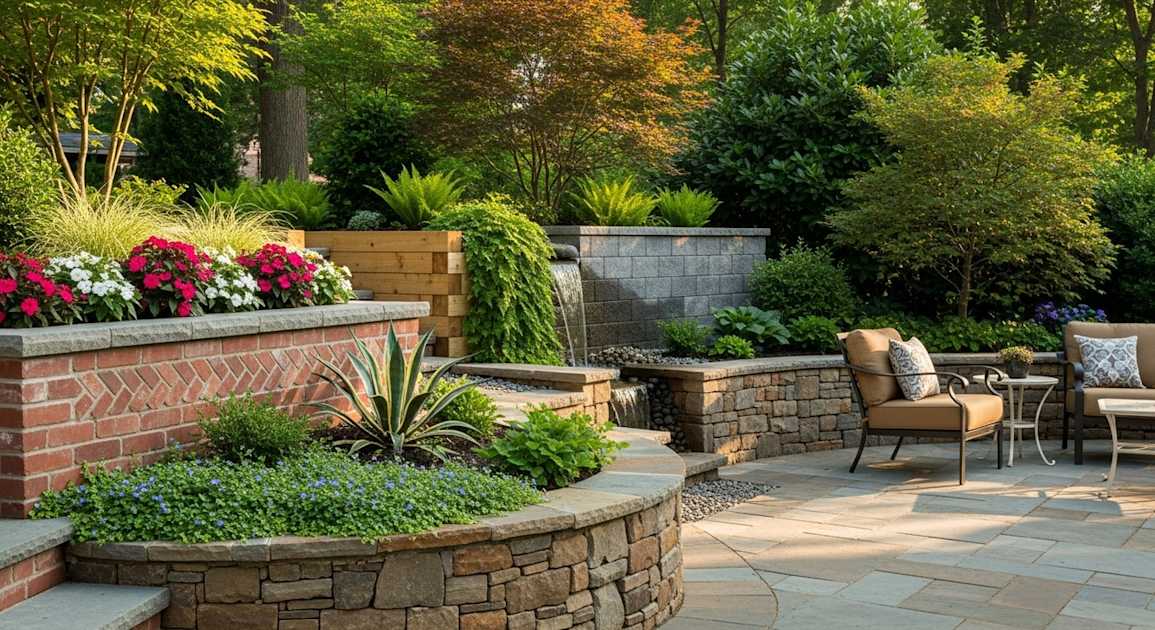


A retaining wall can transform your landscape, adding functionality and aesthetic value to your outdoor spaces. Whether you're managing a sloped area or simply looking to add some architectural flair, a well-designed retaining wall might be what you need. In this comprehensive guide, we'll explore various retaining wall ideas and provide inspiration for your next project.
Understanding Retaining Walls
Retaining walls are structures designed to hold back soil, creating a flat surface on uneven terrain. They play a crucial role in landscape gardening by preventing erosion, managing water drainage, and adding usable land to sloped areas. Beyond functionality, retaining walls can be a significant design element, adding elegance and character to your garden or yard.
Choosing the Right Materials
The material you choose will influence both the aesthetic appeal and functionality of your retaining wall. Here are some popular choices:
Natural Stone
Natural stone offers a timeless appeal and blends seamlessly with most landscapes. Ideal for creating an organic look, stone walls can vary widely in color and texture. Limestone, sandstone, and fieldstone are popular options, each providing a distinct visual impact.
Brick
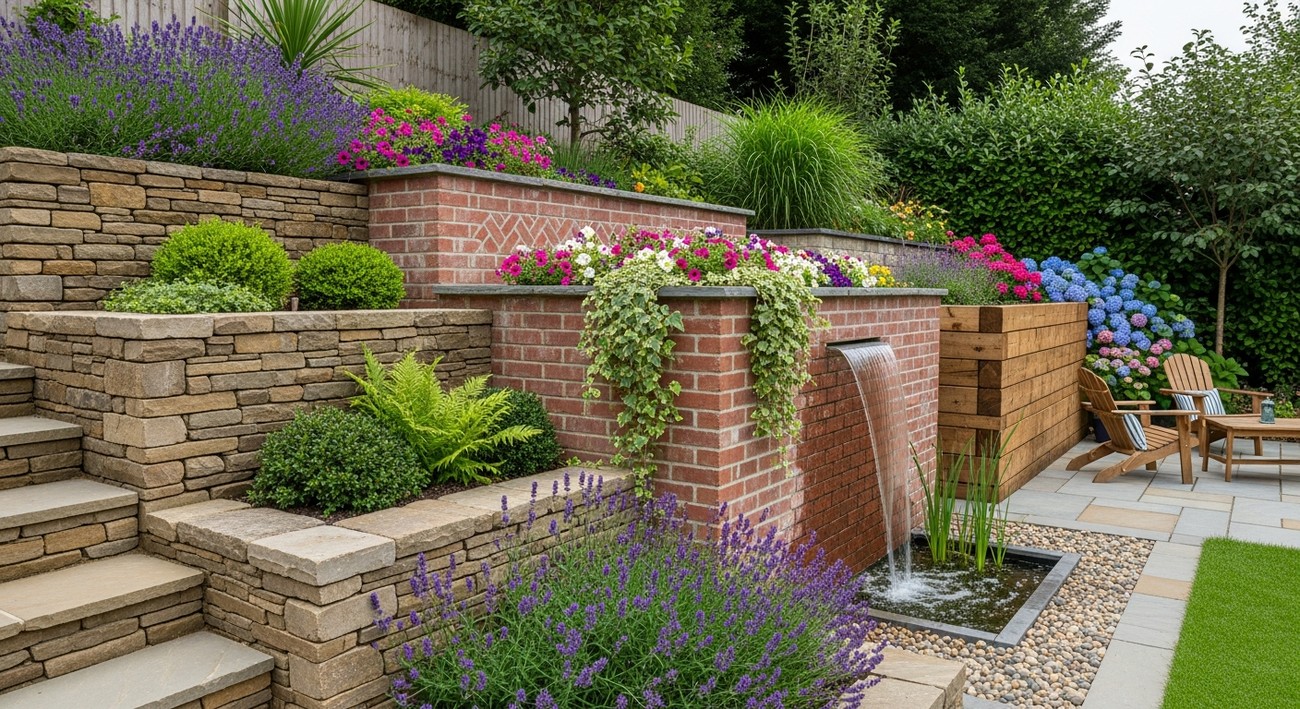
Brick retaining walls are synonymous with durability and classic beauty. They offer a clean, uniform look and can easily complement a variety of home styles. Brick walls can be arranged in various patterns, such as running bond or herringbone, to add visual interest.
Concrete Blocks
Concrete blocks are versatile and available in numerous styles, from sleek modern designs to decorative textures that mimic natural stone. They are easy to install and can be used for both straight and curved walls.
Timber
Wooden retaining walls bring warmth and a rustic feel to any landscape. They are particularly suitable for gardens and softer landscapes. Pressure-treated pine and cedar are popular choices for their durability and resistance to rot.
Designing with Purpose
The design of your retaining wall should align with your landscape's purpose and personal style. Here are some design ideas to consider:
Tiered Retaining Walls
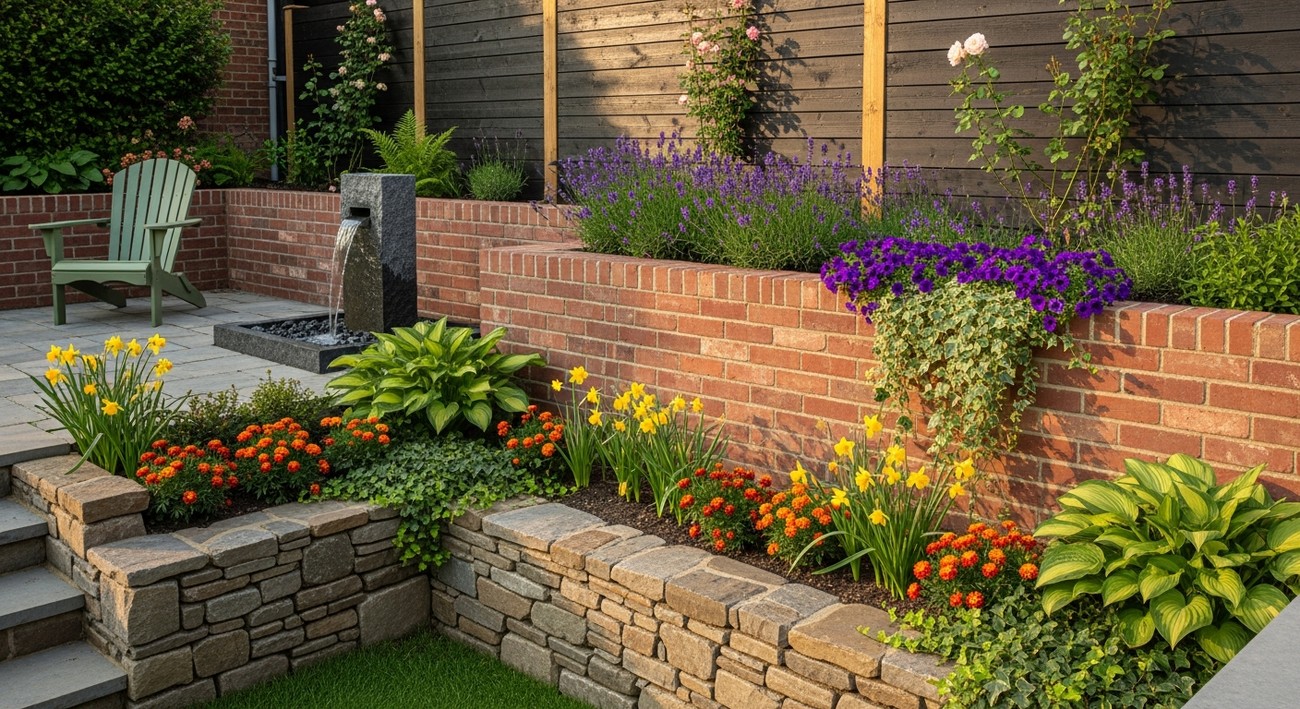
Tiered walls create multiple levels of planting space, perfect for showcasing a variety of plants. This design is excellent for larger areas, allowing for dynamic landscaping possibilities and creating movement in the garden.
Curved Designs
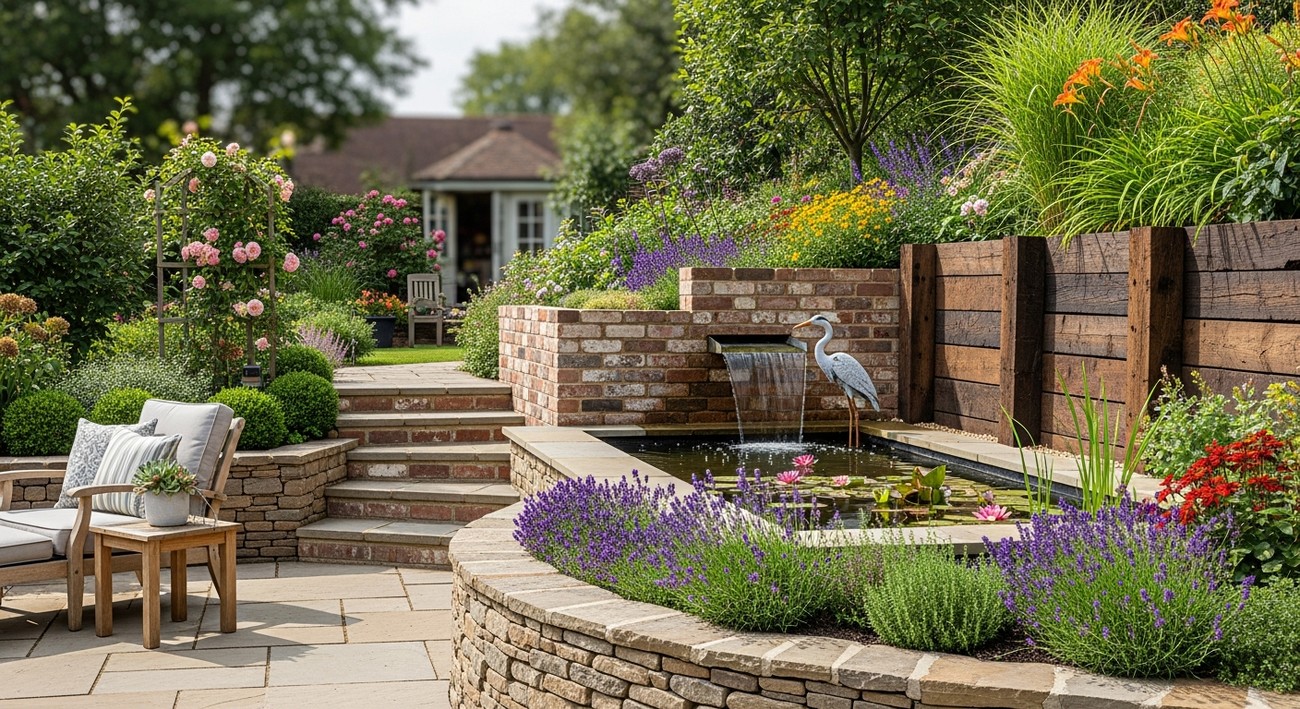
Curved retaining walls soften the look of your landscape and add visual interest. Use flowing lines to mimic natural contours for a more harmonious integration with the surrounding environment.
Add Seating Elements
Incorporate built-in seating into your retaining wall to maximize functionality. This approach is perfect for outdoor entertaining areas, providing a practical solution that combines form and function.
Water Features
Enhance your retaining wall with an integrated water feature. Waterfalls or a small pond can turn your wall into a focal point, adding the soothing sounds of water to your garden oasis.
Functional Elements of Retaining Walls
Beyond aesthetics, retaining walls should serve practical purposes. Here’s how they can enhance your landscape functionality:
Erosion Control
Retaining walls are key to preventing soil erosion on sloped lands. By holding soil in place, they maintain the integrity of your landscape and prevent harmful runoff.
Improved Drainage
A properly constructed retaining wall can improve drainage in flood-prone areas. By redirecting water away from your home and preventing pooling, they protect your foundation and prevent erosion.
Increased Usable Space
Transform a steep slope into usable space by incorporating terraces or flat areas into your building design. This expansion creates possibilities for gardens, patios, or even play areas.
DIY Tips for Building Retaining Walls
Constructing a retaining wall yourself can be a rewarding project if you're equipped with the right knowledge. Here are some quick tips to consider:
- Planning and Permits: Before you begin, check local building regulations. You may need a permit for walls above a certain height.
- Foundation: Ensure a sturdy base by compacting the soil and using crushed stone. A solid foundation is critical for the stability of the wall.
- Drainage: Proper drainage is crucial. Incorporate drainage pipes and gravel behind the wall to prevent water buildup, which can compromise structural integrity.
Add Greenery for Softness
Incorporate plants to soften the hard edges of your retaining walls and create a cohesive look. Choose plants that thrive in rocky environments or cascading varieties that drape gracefully over the edges. Here are a few options to consider:
- Flowers: Creeping thyme, lavender, and succulents add pops of color and texture.
- Vines: Ivy or climbing hydrangeas can create a lush backdrop.
- Foliage: Ferns and ornamental grasses add movement and softness.
Lighting Your Retaining Wall
Lighting can dramatically enhance the appeal and safety of your retaining wall. Consider integrating LED strip lighting along the wall top or installing spotlights to highlight texture and detail. Proper lighting creates an inviting ambiance for evening gatherings.
Retaining Wall Ideas FAQ
What are some creative retaining wall ideas for a modern landscape?
Incorporating modern aesthetics into retaining wall designs can completely transform your landscape's look. You can explore sleek designs using metal and concrete as primary materials for a minimalist vibe. Incorporate LED lighting for added ambiance, or use horizontal wood slats combined with greenery for a natural touch. Experimenting with patterns, textures, or even vertical gardens on your retaining wall can enhance the visual appeal while maintaining functionality.
How can I use natural stone for a retaining wall?
Natural stone is a timeless choice for retaining walls, offering durability and an organic look. You can use fieldstone, limestone, or flagstone to construct your wall, providing a rustic charm that blends beautifully with any garden. The key is in selecting stones that match your landscape's color palette. Dry-stacking is a popular technique with natural stones, allowing for a more flexible structure that can settle naturally over time.
Are there eco-friendly retaining wall options?
Yes, there are several eco-friendly retaining wall ideas available today. Consider using recycled or locally sourced materials such as reclaimed wood or bricks, which reduce environmental impact. Living retaining walls, also known as green walls, feature vegetation planted within the structure, providing natural insulation and improving air quality while maintaining soil erosion.
What are some budget-friendly retaining wall options?
If you're working with a budget, there are ways to achieve beautiful and functional retaining walls without breaking the bank. Timber can be an economical choice, offering a warm appearance at a lower cost than stone or concrete. Gabion walls, made up of wire cages filled with stones or other materials, are another cost-effective option. Additionally, using modular concrete blocks can simplify construction while keeping expenses manageable.
How do I choose the right materials for my retaining wall?
Selecting the right materials is crucial for both the aesthetics and functionality of your retaining wall. Consider the wall's purpose, climate conditions, and your landscape's overall design. For a natural look, opt for stone or wood; for a sleek, contemporary style, concrete or metal may be better suited. Also, think about the maintenance level you are comfortable with, as materials like wood may require more upkeep than alternatives like stone or concrete.
Can retaining walls be used for seating space?
Absolutely! Retaining walls can double as functional seating, especially in outdoor living areas. Create multi-level retaining walls to integrate different seating heights or build a low retaining wall that also serves as a bench. Design the walls with overhangs or smooth caps to provide comfortable seating surfaces. This dual-purpose approach maximizes space and adds an inviting climate to your outdoor environment.
What should I consider when designing a retaining wall for a sloped yard?
When dealing with a sloped yard, retaining walls are essential for stabilization and erosion prevention. You need to assess the slope's angle and height to determine the type of retaining wall system required. Terracing with multiple smaller walls may be more effective than one large wall. It's crucial to incorporate proper drainage solutions to avoid water buildup and pressure against the wall. Consulting with a professional can ensure a safe and effective design for your sloped landscape.
How can I incorporate lighting into my retaining wall design?
Incorporating lighting into retaining wall designs can enhance nighttime aesthetics and improve safety. You can embed LED strip lights along the edges or under capstones for subtle illumination. Consider using solar-powered lights to reduce energy use while highlighting key areas. Up-lighting can showcase textures and patterns on stone or wood walls, creating shadows and depth for an enchanting evening atmosphere.
How should I approach planning a tiered retaining wall design?
Planning a tiered retaining wall design requires careful consideration of the dimensions between tiers to ensure proper stabilization and visual harmony. Start by sketching your landscape, noting elevation changes and desired functional areas. Deciding on materials early in the process will influence the space needed between tiers and the anchoring methods required. Always ensure proper drainage between levels to prevent water accumulation and structural damage. Tiered walls provide more planting opportunities, so plan for incorporating flora to blend structure with nature.
Step-by-Step Guide
Tools/Materials Needed
Before starting, gather the following tools and materials to ensure a smooth process:
Tools:
- Shovel
- Rubber mallet
- Level
- Tape measure
- Garden hose or string (for layout)
- Wheelbarrow
- Masonry saw or stone chisel
- Safety glasses and gloves
Materials:
- Retaining wall blocks, stones, or concrete (depending on your choice)
- Gravel or crushed stone
- Landscaping fabric
- Sand
- Drainage pipe (perforated)
- Backfill materials (soil, gravel)
Preparation Steps
Determine the Location and Design:
- Decide where your retaining wall will be located and the overall design. Consider the wall height, the purpose (e.g., aesthetics, holding back soil), and any building codes or regulations.
Measure and Mark:
- Use a tape measure to determine the length of the wall. Mark the area using a garden hose or string. It's crucial to have a clear outline to follow.
Check for Utilities:
- Before digging, call your local utility company to check for underground cables or pipes. Safety first!
Detailed Instructions
Excavate the Area:
- Begin by digging a trench along the marked line. The trench depth will vary depending on the block or material height but typically is about 6–8 inches deeper than one block.
Create the Base:
- Add a layer of gravel or crushed stone into the trench. Compact it using a level or tamper. This serves as the foundation and needs to be perfectly level.
Lay the First Course:
- Place the first layer of wall blocks or stones. Use the level to ensure each block is even. This first layer is the most critical, so take your time to get it right.
Install Drainage:
- Lay down a strip of landscaping fabric behind the wall. Place a perforated drainage pipe at the base to direct water away from your wall. Cover with a few inches of gravel.
Build Upwards:
- Start stacking the subsequent layers, staggering the joints to increase stability. Use a rubber mallet to tap each block into place. Check with the level frequently.
Backfill as You Build:
- After each new layer, backfill the area with gravel or soil, packing it down to avoid settling. Keep doing this as you build higher.
Finish the Top Layer:
- Once at the desired height, cap off the wall with coping or top blocks to give it a polished look. Secure these with construction adhesive for added stability.
Tidy Up:
- Clean up any excess materials and ensure the surrounding area is level and neat.
Tips for Success
- Start Small: If you’re new to masonry work, begin with a smaller project. Once you gain confidence, you can tackle more complex designs.
- Quality Materials: Invest in good quality blocks and materials. They’re easier to work with and will last much longer.
- Frequent Level Checks: Ensuring every course is level will save you headaches later on.
What to Do if Something Goes Wrong
- Uneven Wall: If your wall starts leaning, it could be due to improper foundation or backfill. Remove layers until you reach the problem area and correct the foundation. Reinforce with additional gravel as needed.
- Block Shifting: Secure loose blocks with construction adhesive or re-lay affected areas with proper alignment.
- Drainage Issues: If water is pooling, check your drainage pipe for clogs or install additional piping. Proper drainage is vital for the wall's longevity.
Final Thoughts
Exploring various retaining wall ideas can truly elevate your outdoor space, whether you want to create an eye-catching garden centerpiece or simply need practical solutions for hillside stabilization. With so many materials and designs available, from natural stone to modern concrete, the key is to find something that complements your home’s aesthetics while addressing your functional needs.
If you're considering enhancing your landscape with a retaining wall, we’re here to help. Serving homeowners in Columbus, OH, we at US Quality Construction of Columbus are ready to discuss your vision and provide expert advice on the best options tailored to your needs. Reach out to us today to schedule a consultation or request a free estimate so we can turn your landscaping dreams into reality.
Tags: landscaping, backyard, design,